New York CityGroup Mission Trips
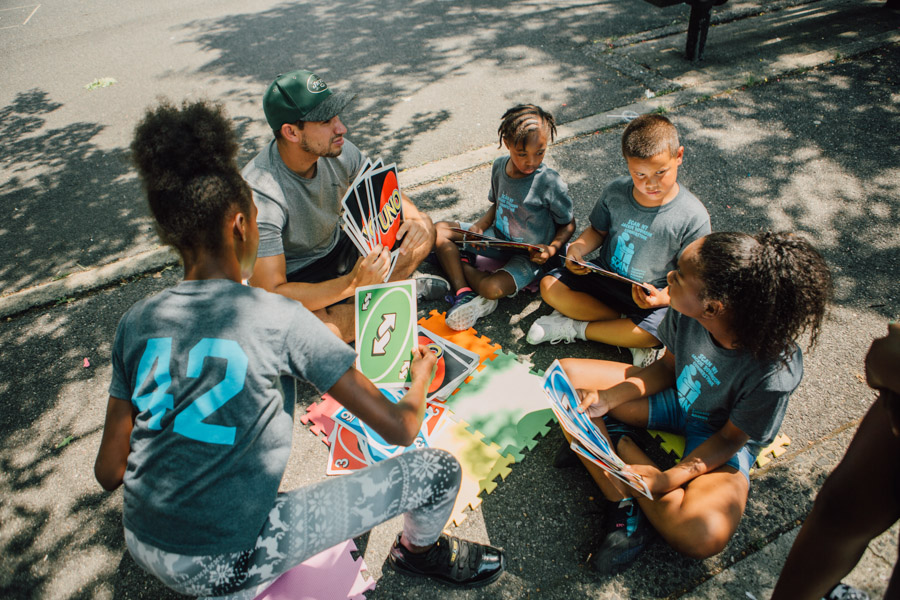


Serve alongside diverse communities in New York City
New York City group mission trips are 6-day summer service-learning trips for groups of 6 to 20 people, from 9th grade up through adults. Experience Mission (EM) teams serve with The Salvation Army in East Harlem and on West 14th Street in Manhattan, where neighbors come for meals, groceries, and kids' programs. Teams come to love and serve their neighbors in the biggest city in the U.S., providing a helping hand and encouragement to local ministries serving their communities year-round.


Details & Logistics
 Registration & Payment
EM FAQ
Available Trip Dates
Local Partners

The Manhattan Citadel Corps Community Center sits on East 125th Street in East Harlem. It runs a soup kitchen and a food pantry and offers programs for children and youth. EM teams have helped with meals and grocery distribution, joined kids' programs, and handed out cold water on hot summer days to get to know neighbors on the block.
The New York Temple Corps meets in The Salvation Army's Art Deco headquarters building on West 14th Street, which New York City designated a landmark in 2017. The corps serves meals and food to neighbors throughout the week. Teams serving here have also taken on construction and work projects in the building.
Activities & Opportunities
Every week looks a little different, because Salvation Army staff decide where help is needed most once your team arrives. Past teams have served in these ways:
- Meals and groceries - Preparing and serving food at a soup kitchen, stocking shelves, and handing out groceries at a food pantry
- Kids' and youth programs - Joining ongoing programs with local children and teens through games, crafts, and time together
- Street outreach - Handing out cold water on hot days and talking with neighbors, including people experiencing homelessness
- Work projects - Taking on light repairs like painting, cleaning, sorting donations, and yard work, plus construction projects at New York Temple Corps
Your team may stay at one site all day or move between both corps by subway. Specific activities for 2027 are not set in advance, and EM field staff will confirm summer plans with The Salvation Army as trips get closer.
Serving with dignity
Many of the neighbors you meet are working through hard seasons: losing housing, stretching a paycheck, or raising kids on a tight budget. Volunteers on New York City mission trips are asked to treat every guest as a neighbor, learn their names, and let people tell their own stories. Honoring the dignity of neighbors also includes always asking a person's permission before taking a photo of them, and respecting a no.
Does our group need special skills?
No special skills are needed for most activities. Team members who are 16 or older may find more opportunities, because some partner sites set their own minimum age for certain tasks.
What will we learn?
Teams spend part of the week learning the history and context of ministry in New York, so the type of service opportunities offered to groups make sense in their setting. Each night, EM field staff guide your team through Evening Gathering, where you talk through what you heard on the subway, at the soup kitchen, and on the street, and what you're learning about God and yourself in the process.
Community Profile
New York City at a glance
New York City covers five boroughs: Manhattan, Brooklyn, Queens, the Bronx, and Staten Island, home to an estimated 8.6 million residents. EM teams serve in Manhattan, in East Harlem and along West 14th Street, two very different neighborhoods a short subway ride apart.
East Harlem and West 14th Street
East Harlem, around East 125th Street, is a long-established, largely Latino and Black neighborhood with deep church and community roots. West 14th Street runs along the edge of Chelsea and Greenwich Village, busy with shops, offices, and commuters. Both neighborhoods have wealth and need on the same blocks, offering many opportunities to bridge the gap between those with resources and those without.
Housing and food insecurity
Housing costs in New York are among the highest in the country, and many households spend most of their income on rent. In June 2026, the Coalition for the Homeless reported that nearly 100,000 people were sleeping in the city's shelters each night, not counting people sleeping outside or doubled up with family and friends.
Hunger looks different in a city this large. Many people who come to soup kitchens and pantries have jobs and homes but can't afford food after paying rent. Feeding America's 2026 study found that the Bronx has the highest estimated rate of food insecurity of any congressional district in the country. Neighborhood food programs like The Salvation Army's fill part of that gap every week.
Summer weather
June and July in New York are hot and humid. Temperatures range between 70-85 F, with heat waves above 90 F most summers. City streets and subway platforms often feel hotter. Anyone spending time in the city in the summer should plan to drink plenty of water often and dress for the heat.
Sources: NYC Department of City Planning, population estimates (March 2026); Coalition for the Homeless, State of the Homeless 2026; Feeding America, Map the Meal Gap 2026; National Weather Service, Central Park climate normals (1991-2020).
Typical Schedule
Mornings begin with devotions and quiet time before the team heads out. EM provides a devotional journal for each team member, and it is our hope that every team member uses that time to sit with God and write down what they are noticing and being shown as the week goes on.
Evenings end with Evening Gathering, when EM field staff lead the whole group in a debrief and a short devotional. EM's programming does not include musical worship, because EM cannot promise that staff will be skilled musicians and singers. If members of your team sing or play guitar, let EM know ahead of time, and EM field staff will help work music into evening plans.
A typical New York City week:
Day 1 (Sunday) is arrival and orientation:
- 3:00-5:00 pm - Teams arrive and check in
- 5:00 pm - Leaders' meeting
- 6:00 pm - Dinner
- 7:00 pm - Orientation
- 8:30 pm - Team time (your group alone)
- 11:30 pm - Lights out
Days 2-5 are spent serving across the city:
- 7:15 am - Breakfast
- 7:45 am - Devotions and quiet time
- 8:15 am - Group prayer
- 8:30 am - Teams head to sites by subway
- 12:00 pm - Lunch
- 4:30 pm - Finish service for the day
- 5:00 pm - Leaders' meeting
- 6:00 pm - Dinner
- 7:00 pm - Evening Gathering (whole group)
- 8:30 pm - Team time
Day 6 (Friday) wraps up the week:
- 7:00 am - Breakfast
- 7:30 am - Cleanup and packing
- 9:00 am - Photos and goodbyes
EM tries to give each team one free evening to explore the city. Group leaders supervise their own team during free time, and EM field staff orient every team on riding the subway and getting around the city safely. The schedule may shift based on The Salvation Army's needs and subway schedules, and your field staff will walk you through the week ahead at orientation.
Lodging, Food & Transportation
Lodging
Teams sleep in classrooms at a local church. Showers are available on site. Bring an air mattress or sleeping pad for comfort, along with bedding and a pillow.
Food
EM field staff provide meals for the whole trip, served where your team stays. If anyone on your team has dietary needs, read EM's mission trip food policy before you register.
Getting to New York City
Travel to and from New York City is not included in the trip cost. EM does not have on-site parking, so bring as few vehicles as possible. Arriving by train, plane, or charter bus that drops your team off works best. After registering, confirm with EM Support Staff which airport and/or train station you should plan to arrive at.
Getting around the city
Teams ride the subway and local buses all week, and each team member pays their own fare. New York uses OMNY, a tap-to-pay system. Each person needs their own way to tap: a contactless debit or credit card, a phone or watch wallet, or a reloadable OMNY Card. Team members without a bank card, which likely includes many high school students, can buy an OMNY Card for $1 at any subway station vending machine and load it with cash.
Individual fares will not exceed $35 per person during a 7-day period, as long as each person taps the same card or device every time. Taps for other people on one card do not count toward the $35 cap, so give everyone their own card or way to pay. Fares can change, so check the MTA's current fare information before your trip.
New York City Trip FAQ
These answers cover the questions team leaders most often ask about New York City. For policies that apply to every EM trip, see the EM FAQ.
How big can our group be for a New York City mission trip?
New York City trips need at least 6 people, and EM can host up to 20 team members per week. If your group is larger than 20, submit an interest form to talk through options. Weeks fill on a first-come, first-served basis.
How long is the trip, and when do we arrive?
New York City trips are 6 days, Sunday through Friday, between June 6 and July 2. Check-in is between 3 and 5 pm on Sundays. EM field staff will meet you when you arrive, and the first evening includes dinner and an orientation for the week.
Who can join a New York City mission trip?
Students in 9th grade and up, college students, and adults can join, including families with high schoolers. Team members 16 and older may have more service options in the city. Bring at least one adult for every 7 high school students, and every team needs at least one leader age 21 or older. EM does not offer this trip for middle school groups; see middle school mission trips for other mission trip opportunities.
What does a New York City mission trip cost?
The trip costs $475 per person for 6 days. That covers lodging, meals, project materials, support for The Salvation Army, EM field staff, and EM's year-round trip planning. It does not include travel to New York or subway fares, which run up to $35 per person for the week. See Upcoming Trip Dates below for 2027 weeks.
Do you offer New York City trips outside the summer?
No. New York City trips only run in June. For trips at other times of year, browse all of EM's group mission trips or compare options for spring break mission trips.
What will our team do in New York City?
Teams serve with The Salvation Army in East Harlem and on West 14th Street. Past teams have served meals, handed out groceries, joined kids' programs, given out cold water on hot days, and helped with light repairs and construction. The plan for your week depends on what Salvation Army staff need at the time and your team's ability to participate.
How do teens pay for the subway without a credit card?
Each teen can buy a reloadable OMNY Card for $1 at a vending machine in any subway station and load it with cash. Riders pay $3 per ride until they reach the $35 weekly cap, as long as they tap their own card every time. One card cannot cover a whole team and still earn the cap.
Is New York City safe for a youth group?
While no mission trip can guarantee zero risk, EM field staff orient every team on riding the subway and moving around the city, and group leaders keep track of their own team all week, including during the free evening. Teams travel together between sites. For EM's full approach to safety, see Health & Safety.
How hot does it get in New York City in summer?
Expect heat. Summer highs average about 85 F, and streets and subway platforms often feel hotter. Pack light, breathable clothes, a refillable water bottle, and sunscreen.
Where will our team sleep?
Teams sleep in classrooms at a local church, with showers on site. Bring an air mattress or sleeping pad, bedding, and a pillow.
Are meals included?
Yes. EM field staff provide meals for the whole trip. Read EM's mission trip food policy if anyone on your team has dietary needs.
Can our group worship at a church on Sunday?
Teams arrive Sunday afternoon, so the schedule does not include a Sunday service. Morning devotions and Evening Gathering give your team time to worship and reflect each day. If you choose to arrive in the city early to attend a church service, your mission trip officially begins when you arrive at the Salvation Army location between 3 and 5 pm on Sunday.
What paperwork do we need?
Every team member fills out a registration form and a liability waiver, and every adult passes a background check. Some partner sites ask for an extra waiver, which you will receive after you register. See EM's background check policy.
Who leads our group on the trip?
Your group leader gets your team ready at home and leads your volunteers on the ground in New York, both in relationships and in logistics. EM field staff set up the week in the city and handle lodging, meals, and the plan with The Salvation Army, helping you move about the city at different times.
Does EM offer training before the trip?
Yes. EM offers cross-cultural healthy service training materials for your group to go through before your trip. We strongly recommend it for all mission teams, especially those serving in a city as culturally diverse as New York. Preview videos from the training by checking out EM's Approach to Missions.
Still have questions? Read the EM FAQ, explore other U.S. mission trips, or submit an interest form to connect directly with EM Support Staff about a mission trip.
Upcoming Trip Dates:
New York City
Mission Trip Resources
Hear from recent EM mission
trip team leaders!
Hear from recent EM mission trip team leaders!
Carline D. served in Savannah, Georgia
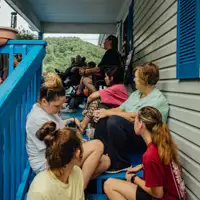
Nikki K. served in Pikeville, Kentucky

Christopher G. served in Rincon, Puerto Rico

Jeremy M. served among the Navajo Nation in Arizona
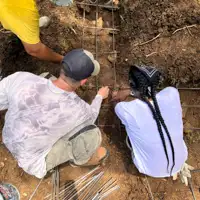
Jennifer S. served in Rincon, Puerto Rico
What’s the best trip for your group? Answer 5 multiple choice questions and get instant mission trip recommendations!
What’s the best trip for your group?
Answer 5 multiple choice questions, and get instant mission trip recommendations!


Site developed and hosted by Skycog, Inc.