Navajo Flood ReliefGroup Mission Trips
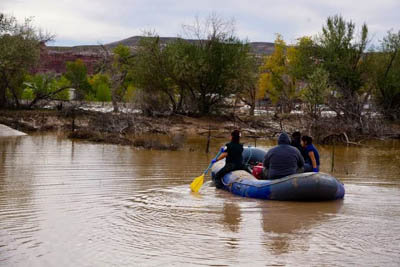


Join the flood relief effort for Navajo-Diné communities!
Navajo-Diné flood relief trips are planned 6-day disaster relief and recovery trips for groups of adults 18 and up, serving alongside Navajo partners as families recover from the fall 2026 floods. Teams of 6 or more may help with cleanup, home repairs, and supply distribution. Dates are not set yet. Submit an interest form for the date range you are interested in serving to connect with Experience Mission (EM) staff and learn more.
Updated November 11, 2026: EM is exploring relief trips as soon as December 2026. Trip dates, locations, and partner churches have not been confirmed.


Details & Logistics
 Registration & Payment
EM FAQ
Available Trip Dates
Local Partners
Navajo partners know their neighbors and understand which needs come first. EM field staff will prepare each trip with them, and teams will follow their direction on the ground. When partners and sites are confirmed, this section will introduce each partner and the work they lead in their community.
Activities & Opportunities
Work on a relief trip depends on what partners need that week, what sites are safe, and what your team is equipped to do. Projects may include:
- Flood cleanup and property restoration - Removing approved flood-damaged materials and household debris, clearing safe, nonhazardous mud, and helping families restore usable outdoor spaces
- Home repair and reconstruction - Replacing drywall after inspection and drying, installing flooring and trim, painting, and assisting skilled contractors with approved roofing, siding, and carpentry
- Community recovery and logistics - Sorting and distributing donated supplies, preparing household recovery kits, and supporting approved community cleanup projects
- Winter and future-flood preparation - Weatherizing homes, completing approved maintenance, and supporting community-led efforts to reduce flood risk
Work can change from day to day. EM field staff confirm the daily or weekly plan with local partners.
Outreach and church ministry
Recovery is more than repairs. Teams may also take part in:
- Relational outreach - Listening to residents' experiences, learning about their communities, and offering practical help and encouragement
- Community support - Helping local organizations with food and supply distribution, community meals, care packages, and locally organized events
- Church and partner ministry - Serving alongside local churches and ministries on practical projects, and joining worship, prayer, or fellowship when invited
Local partners lead these moments, and teams join when invited.
How is a relief trip different from other EM trips?
Navajo-Dine flood relief trips are disaster relief and recovery trips. Teams step into the parts of the recovery process where local partners say help is needed most. Along the way, team members build relationships with Navajo-Dine families and church communities by working side by side, sharing meals, and listening to their stories.
Do we need special skills?
No construction experience is needed to come as a group. EM field staff and local partners will match tasks to each team's abilities. Skilled volunteers with roofing, carpentry, drywall, flooring, plumbing, or electrical experience can help guide teams on larger repairs. Tell EM about those skills on your interest form.
Flood cleanup can involve contaminated water, mold, and unstable structures. Team members must follow safety instructions, wear protective equipment, and take on only the tasks they are assigned. Each team brings its own protective gear, including work gloves, N95 masks, sturdy work boots, and eye protection.
Community Profile
The Navajo Nation at a glance
The Navajo Nation is a sovereign nation covering about 27,000 square miles across northeastern Arizona, northwestern New Mexico, and southeastern Utah. It is the largest Native American reservation in the United States. With about 399,000 enrolled citizens, it is also the largest tribe by enrollment, and about 165,000 people live on the reservation.
Dine language and local government
Navajo people call themselves Dine, which means "the People." Dine Bizaad, the Navajo language, is the Nation's official language, and many elders speak it as their first language. Local chapter governments serve communities across the Nation and play a direct role in disaster response.
The 2026 floods
Flash flooding in mid-September 2026 led to deaths near Newcomb, New Mexico, and evacuations near Chinle, Arizona. In the week of October 19, historic rain sent rivers and washes across the Four Corners over their banks, washing out roads, forcing evacuations, and cutting power and water to dozens of Navajo communities. The Navajo Nation amended its emergency declaration to expand chapter emergency funds for flood response. Conditions and needs vary by community, and assessments continue.
Daily life and distance
Many families live far from paved roads, stores, and medical care. Some homes have no running water or electricity in normal times, and floods made roads impassable and cut utilities for many more. Cell service is limited in many areas. These conditions shape how recovery happens and how teams travel and work.
Winter weather
The Navajo Nation sits on the high desert of the Colorado Plateau, mostly between 4,500 and 7,000 feet. Winter days can be cool to cold, and nights often drop below freezing. Snow, ice, and mud can close dirt roads. Wet-season storms can also bring sudden flash floods. Ask about current conditions when you register and before your trip, and come prepared to serve in any weather.
Time zone
The Navajo Nation observes daylight saving time, while the rest of Arizona does not. From March to November, Navajo Nation time is an hour ahead of the rest of Arizona. Check meeting times carefully when you travel through Arizona.
Sources: Navajo Epidemiology Center, Navajo Nation Population Profile (2020 Census); KNAU/KJZZ, September 2026 flooding; KNAU/KJZZ, power and water restoration after October 2026 flooding.
Typical Schedule
While details are still coming together, Navajo flood relief trips will likely be organized like other EM mission trips. On typical mission trips, each morning includes time for devotions and quiet time. EM strongly encourages every team member to spend that time with God, journaling thoughts and experiences as the week unfolds.
In the evening, EM provides debrief and devotional materials that teams can use on their own if they choose. Many teams use this time to reflect on the day together. If your team has someone who sings or plays guitar, musical worship is a great addition.
An average week looks like this:
Day 1 is arrival and orientation:
- 3:00-5:00 pm - Groups arrive
- 5:00 pm - Leaders' meeting with local partner and orientation
- 6:30 pm - Dinner
- 7:30 pm - Planning meeting and work assignments
- 8:30 pm - Personal time
- 10:30 pm - Lights out
Days 2-5 are full work days:
- 7:00 am - Breakfast
- 7:45 am - Devotions and quiet time
- 8:15 am - Group prayer
- 8:30 am - Teams leave for work sites
- 12:00 pm - Lunch
- 3:30 pm - Finish work for the day
- 4:00 pm - Cleanup and reporting
- 5:00 pm - Planning meeting
- 6:00 pm - Dinner
- 7:00 pm - Reflection, updates, planning, and team time
- 10:30 pm - Lights out
Day 6 wraps up the week:
- 7:00 am - Breakfast
- 7:30 am - Cleanup and packing
- 9:00 am - Photos and goodbyes
Times may shift due to weather, road conditions, and partner needs, and your EM field staff will confirm details at orientation.
Lodging, Food & Transportation
Lodging and food
Teams are expected to stay in a church building. Plan to sleep on the floor, since host sites will not have enough beds for full teams. Each team member should bring an air mattress or sleeping pad, a warm sleeping bag, a pillow, and bedding, because winter and spring nights get cold.
EM field staff and local partners provide meals during the trip. For dietary needs, see EM's mission trip food policy.
Bathrooms, showers, water, and electricity
Bathrooms are mostly outhouses, though some sites have flushing toilets. Shower access depends on each host location and what it can provide, and EM will share details once sites are confirmed.
Drinking water is available, but bring a refillable water bottle for each team member. Lodging will have electricity. Plan for limited or no wifi and cell service, which are scarce across much of the Navajo Nation.
Transportation
Teams rent or bring their own vehicles and use them all week. All-wheel-drive vehicles are strongly recommended because many roads are unpaved, flood-damaged, or muddy in wet and winter weather. Buses are not allowed. Plan and budget for vehicle rental and fuel; neither is included in the trip cost.
If your team flies to serve, choose an airport based on where you serve:
- Arizona sites - Albuquerque (ABQ), Phoenix (PHX), or Flagstaff (FLG)
- New Mexico sites - Durango, Colorado (DRO) or Albuquerque (ABQ)
EM will tell your team which side of the Nation you will serve on once sites are confirmed, so wait to book flights until then.
Navajo Flood Relief FAQ
Questions about a Navajo flood relief trip? Start here. For questions that apply to every EM trip, see the general EM FAQ.
Are Navajo flood relief trips confirmed?
Not yet, but they will be soon. EM is coordinating with current local partners in Arizona and New Mexico and exploring trips starting in December 2026. Dates, locations, and partner churches will be announced when details are in place. All people who submit interest forms will be notified as soon as dates are open and groups can register.
Does submitting an interest form reserve a spot?
No. The interest form tells EM your group's size, timing, and skills, so staff can contact you when trips are confirmed. Before registration, EM will share dates, costs, lodging, responsibilities, and participation requirements.
When could trips start, and what season are they?
Relief trips are planned year-round as partners are ready to host, starting as soon as December 2026. Winter trips mean cold nights and possible snow, ice, or mud.
How long is a Navajo flood relief trip, and what does it cost?
Trips are 6 days. Groups arrive between 3 and 5 pm on Day 1 and leave after breakfast on Day 6. The planned cost is $585 per person for the 6-day trip. This covers lodging, meals, work project materials, support for local partners, EM field staff, and EM's trip coordination and team support. It does not include your group's travel to the Navajo Nation, vehicle rental, fuel, or protective gear for your team.
Who can go on a relief trip?
Team members must be 18 or older. Teams need at least 6 people and at least one leader age 21 or older. Available team sizes will likely range from 6 to 20 people, depending on what each host site can accommodate.
Can individuals or families sign up?
These trips are for groups of 6 or more, and all family members must be 18 or older to participate. If you want to serve on your own or share skills, join the volunteer interest list on Navajo-Dine Flood Relief and Recovery.
Do we need construction experience?
No. EM field staff and local partners match tasks to each team's abilities. Team members with construction skills can help guide larger repairs, so please list those skills on your interest form.
Is flood relief work safe?
Flood cleanup carries real risks, including contaminated water, mold, damaged structures, remote roads, and sudden flash floods. EM field staff and partners assign only approved tasks, require protective equipment, and adjust plans for weather and road conditions. Medical facilities can be far away. For EM's full safety approach, see Health & Safety.
What are the expectations for serving on the Navajo Nation?
The Navajo Nation is a sovereign nation with its own laws, including a ban on alcohol. EM requires every volunteer to follow Navajo law, honor elders and sacred spaces, ask permission before taking photos, and follow local leadership. Read the full volunteer commitments on Navajo-Dine Flood Relief and Recovery.
What should we pack?
EM sends a packing list when trips are confirmed. In the winter and spring, plan for cold nights, mud, and work in damaged homes: warm layers, an air mattress or sleeping pad, a winter sleeping bag, pillow and bedding, protective gear (work gloves, N95 masks, sturdy work boots, and eye protection), a headlamp, and a refillable water bottle. Leave valuables at home. For general guidance, see the mission trip packing list.
What paperwork does each team member need?
Each team member completes a registration form and liability waiver, and every adult must pass a background check. Relief trips do not require an extra waiver. See EM's background check policy.
Have more questions about EM trips? Check the general EM FAQ or call EM's support team at 888-475-6414.
Upcoming Trip Dates:
Navajo Flood Relief
Mission Trip Resources

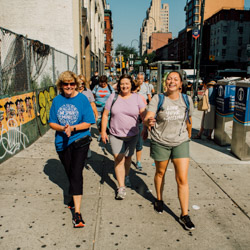
Hear from recent EM mission
trip team leaders!
Hear from recent EM mission trip team leaders!
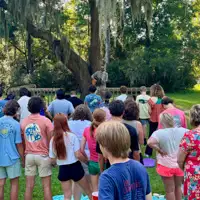
Carline D. served in Savannah, Georgia
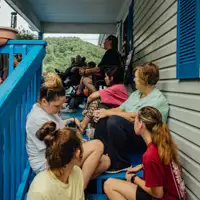
Nikki K. served in Pikeville, Kentucky
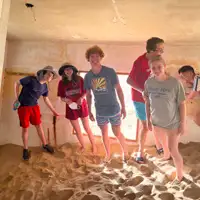
Christopher G. served in Rincon, Puerto Rico
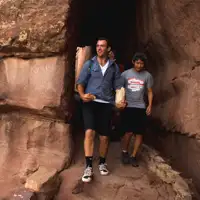
Jeremy M. served among the Navajo Nation in Arizona
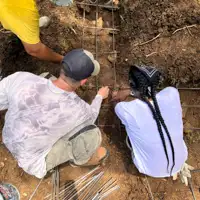
Jennifer S. served in Rincon, Puerto Rico
What’s the best trip for your group? Answer 5 multiple choice questions and get instant mission trip recommendations!
What’s the best trip for your group?
Answer 5 multiple choice questions, and get instant mission trip recommendations!


Site developed and hosted by Skycog, Inc.