

Join Disaster Relief &
Long-Term Recovery
Experience Mission connects volunteers, churches, organizations, financial support, and practical skills with locally-coordinated relief, rebuilding, and long-term recovery efforts.
Join The EM Disaster Relief & Recovery Network Get Involved
Disaster Relief & Long-Term Recovery
Experience Mission connects volunteers, churches, organizations, practical skills, and financial support with locally coordinated relief, rebuilding, and long-term recovery efforts.
Join The EM Disaster Relief & Recovery Network Get InvolvedGet Involved in EM’s Relief & Recovery
Get Involved in EM’s Relief & Recovery
A disaster can reshape daily life in a matter of hours. Recovery often unfolds over months or years. Whether you are ready to serve, want to prepare for a future response, represent a potential partner, or desire to give where support is needed most, there is a place to begin.
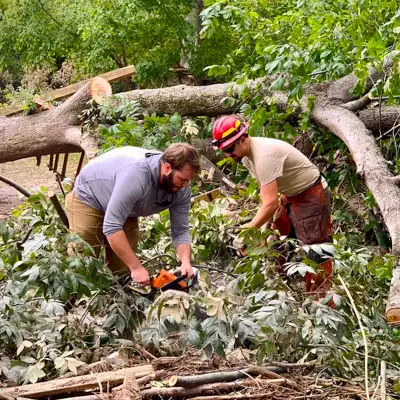
Join the Network
Receive verified updates, and join in where your expertise, capacity, and availability meet real needs on the ground.
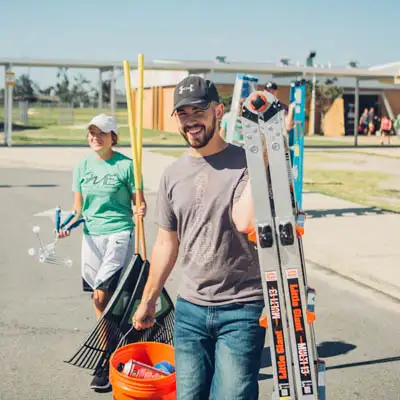
Volunteer
Explore opportunities for individuals and groups, shaped by current conditions and local needs.
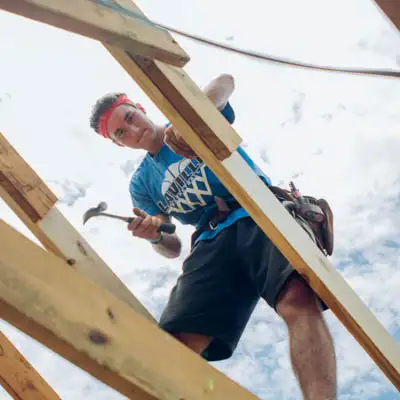
Partner
Explore a coordinated relief and recovery partnership role for your church, organization, business, or group.
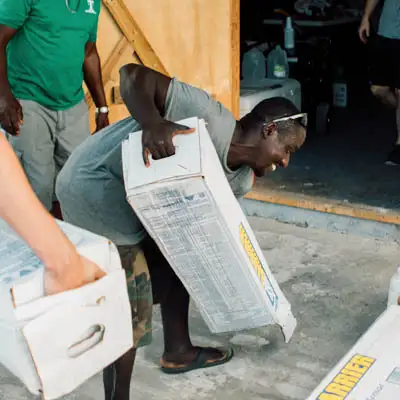
Give
Support locally coordinated relief, rebuilding, and recovery as EM volunteers come alongside communities experiencing disaster.
Current Relief & Rebuilding Communities
Current Relief & Rebuilding Communities
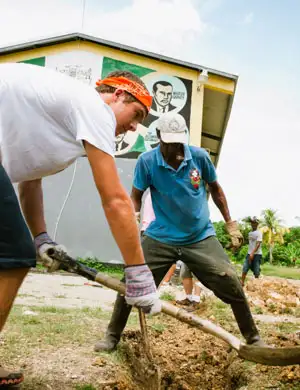
EM's current disaster relief and rebuilding efforts are in response to Hurricane Melissa which struck Jamaica in Fall 2025. Click to explore Group Trip opportunities!
Long-Term Recovery Communities
Long-Term Recovery Communities
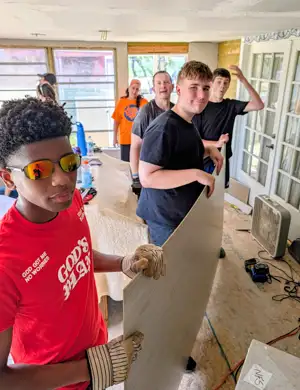
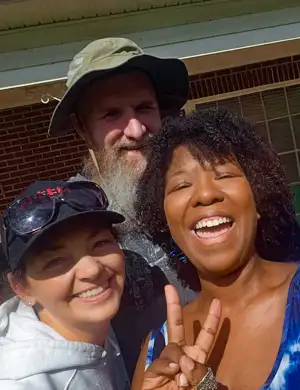
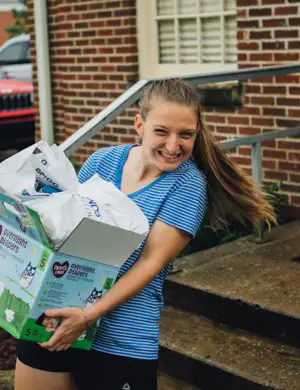
After responding to Hurricane Helene (Appalachia region in Fall 2024) and Central Texas flooding (Summer 2025), these communities have now moved into the long-term recovery phase. EM mission trip efforts here now focus on outreach and general support for local ministries continuing to help their neighbors. Click below to serve in these communities!
Recovery Continues After the First Response
Recovery Continues After the First Response
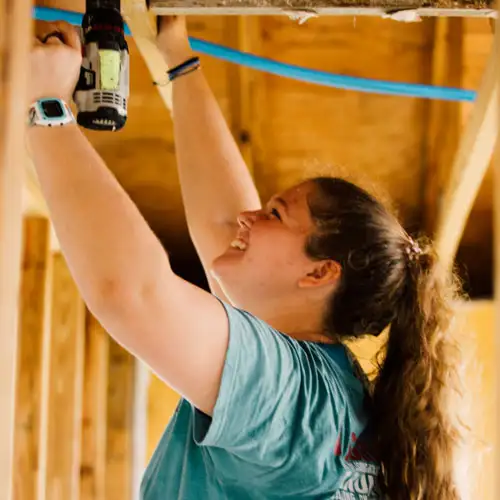
Emergency Response
→ Addresses immediate threats to life, health, and safety.
Relief
→ Meets urgent needs and helps stabilize daily life.
Rebuilding
→ Repairs or replaces damaged homes and infrastructure.
Long-Term Recovery
→ Coordinates these efforts over time according to local priorities, available resources, and each community's circumstances.
Recovery is rarely a straight line. EM listens to local partners and contributes where volunteers, relationships, skills, and financial support can be most useful.
EM’s Approach to Disaster Relief
EM’s Approach to Disaster Relief
Disaster relief and recovery can feel urgent, but doing it right requires humility, coordination, and care.
EM seeks to listen before mobilizing, joining work that's already underway, preparing volunteers well, responding as needs change, and treating these opportunities to serve as a place of relationship, learning, and love for our neighbors.
EM's Approach to MissionsDisaster Relief & Rebuilding Resources & FAQ
Disaster Relief & Rebuilding Resources
Learn more about disaster relief and rebuilding and where volunteers fit in the process.
What is Disaster Recovery?
Disaster Relief vs Recover vs Rebuilding
Stages of Disaster Recovery
Volunteer Guide: How to Help After a Disaster
What is Healthy and Responsible Service?
Why Does Disaster Recovery Take So Long?
What is disaster relief and recovery?
Disaster relief and recovery refer to the evolving work that follows a hurricane, flood, wildfire, tornado, earthquake, or other destructive event. Relief helps address urgent needs and stabilize daily life. Recovery continues as households and communities repair damage, restore services, navigate assistance, rebuild homes, and address needs that remain after the initial response.
Rebuilding is an important activity within recovery, but recovery is much broader than construction. Repairing a home or community facility can be a major milestone without resolving every effect of a disaster. Families may still be navigating employment, transportation, health, finances, childcare, schooling, emotional or spiritual needs, disrupted relationships, and other challenges of daily life. Long-term recovery can continue after rebuilding, as local organizations and partners help households and communities regain stability.
Why does recovery continue long after a disaster leaves the headlines?
The most visible phase of a disaster is often the shortest. Emergency response may dominate the news, but damaged homes, displaced families, insurance and assistance processes, contractor shortages, unmet needs, and community recovery can continue for months or years. In communities where resources were already limited before the disaster, the event can magnify existing challenges and make the path to stability longer.
Recovery is rarely a straight line. Different households may move through recovery at different speeds, and needs can change as emergency resources leave and longer-term challenges become clearer. This is one reason sustained partnerships and appropriately timed volunteer support can matter well beyond the first response.
Does EM respond to every disaster?
No, not every disaster is a fit for Experience Mission volunteer relief mission trips. Before mobilizing volunteers, EM seeks to understand:
- Identified local need - whether local leaders or recovery organizations have identified needs that outside volunteers can appropriately support
- Recovery-phase fit - whether needs are likely to continue into cleanup, repair, rebuilding, or longer-term household and community recovery
- Safety and access - whether the area is safe and accessible for organized volunteers
- Feasible logistics - whether lodging, supervision, tools, transportation, and other logistics are workable
- Local partners in place - whether trusted local churches, nonprofits, recovery groups, or community partners can help guide the work
- Fit with EM's model - whether EM's volunteer model, skills, relationships, and resources are a useful match for the needs being identified
- Under-resourced impact - whether the disaster has significantly affected an under-resourced community, where limited infrastructure, financial resources, insurance coverage, service providers, or access to outside recovery resources may create longer-term unmet needs
Depending on what we learn, we may monitor a disaster, build relationships, prepare for a possible activation, activate a volunteer response, support another organization, or decide not to deploy. EM gives particular consideration to under-resourced communities where sustained outside support may fill meaningful gaps identified by local leaders. This focus does not define communities by what they lack; it recognizes that disasters often deepen challenges where recovery resources were already limited. The goal is useful, locally directed participation, not simply being present.
Why does local leadership matter in disaster recovery?
People living in a disaster-affected community understand their place in ways visiting volunteers cannot. They know the relationships, history, culture, strengths, vulnerabilities, and priorities that shape recovery.
EM seeks to serve alongside local partners rather than directing recovery from outside. Local churches, nonprofits, Long-Term Recovery Groups, VOADs, government agencies, businesses, and other community organizations may all play roles in identifying needs and coordinating resources.
For EM, local leadership is also part of healthy service. Volunteers enter as guests. EM teams listen before acting, prioritize people over projects, resist simple stories about communities, and recognize the dignity and agency of every person they meet.
How can volunteers help after a disaster?
Volunteer opportunities depend on the disaster, recovery phase, local priorities, and the skills of the people available. Work may include:
- Cleanup and debris removal - muck-outs and other early-stage recovery work
- Demolition and site preparation - clearing damaged structures ahead of rebuilding
- Roofing and weatherproofing - protecting homes from further damage
- Home repair - framing, drywall, flooring, and painting
- Rebuilding - homes or community facilities
- Supporting local partners - churches or organizations carrying recovery responsibilities
- Other locally identified projects - work identified and prepared by local partners
Specific projects can change quickly, and a responsible disaster recovery program does not promise a particular task simply to attract volunteers. Teams should come prepared to serve where they are actually needed.
When are skilled volunteers needed, and can they serve individually?
Skilled trades volunteers can be especially valuable as recovery moves into home repair and rebuilding, when projects may require specific construction or technical experience. Carpenters, electricians, plumbers, roofers, contractors, and people with other relevant trades may be able to contribute skills that expand what a recovery effort can accomplish.
Yes, individually or alongside a team. EM is actively building a network of skilled trades volunteers who may be able to serve individually or alongside other teams. Skilled volunteers can identify their trade, skills, and experience when joining the Disaster Relief and Recovery Network. Specific opportunities may carry their own safety, registration, team, licensing, or other participation requirements, depending on the work and location.
How long should volunteers wait before going after a disaster?
Immediately after a disaster is not always the right time for general volunteer teams, and going directly to a disaster area is not recommended. During the emergency phase, local authorities and trained response organizations may still be addressing urgent threats to life, health, and safety. Unrequested volunteers can create additional logistical challenges when roads, lodging, food, fuel, communications, and local services are already strained.
EM encourages volunteers to wait for a verified opportunity with an established organization rather than self-deploying, so they are expected, appropriately assigned, safely supported, and contributing to work the affected community has identified as useful. Volunteer needs often continue for months or years, creating an important role for churches, groups, and skilled volunteers willing to remain engaged after the initial urgency fades.
What is Experience Mission's role in disaster recovery?
EM's role is to listen, coordinate, and contribute where local partners identify a useful place for the people and resources it can bring. Depending on the community and recovery phase, this may include organizing volunteer teams, recruiting skilled volunteers, supporting rebuilding projects, connecting resources, developing partnerships, or helping sustain attention to remaining needs.
Construction and home repair can be important parts of that work, but rebuilding is only one part of recovery. Depending on locally identified needs and EM's capabilities, involvement may also support community organizations, relationships, practical household needs, resource connections, and other work that helps families regain stability after the construction work is finished. In some communities, EM's role may continue beyond construction through relational and practical support alongside local churches and organizations addressing ongoing daily-life needs.
EM does not assume that a model used in one community should be copied into another. Each disaster and community is different. Experience helps EM ask better questions, responsibly prepare volunteers, and recognize the importance of local direction and long-term relationships.
Can my church or group volunteer?
Yes! When an appropriate opportunity is open, EM will provide information about timing, participant requirements, work, lodging, costs, and other details for each community. Joining the Disaster Relief and Recovery Network is the best way to stay connected as opportunities develop.
Can I volunteer individually?
Some opportunities may allow individuals to participate, while others may be organized around teams. Requirements depend on the location, work, lodging, supervision, and local partner structure.
How long does EM stay involved?
There is no fixed timeline. EM's involvement depends on local needs, relationships, volunteer usefulness, lodging and operational feasibility, funding, and whether local partners continue to identify a meaningful role.


Site developed and hosted by Skycog, Inc.