When Are Volunteers Most Needed After a Disaster?
Updated: October 2026
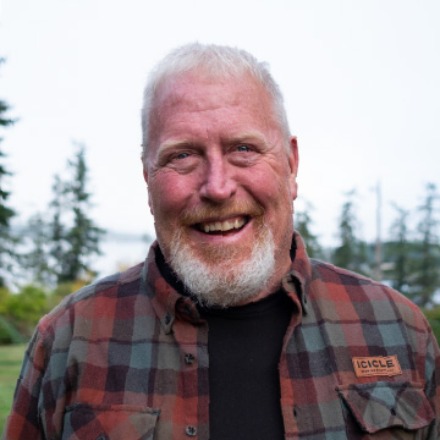 Chris Clum
Founder/Executive Director, Experience Mission
Chris Clum is the founder of Experience Mission, drawing on more than four decades of experience developing service-learning mission trips and working with local ministry partners. This article reflects Experience Mission's organizational approach to service-learning mission trips and was reviewed by the Experience Mission leadership team.
There isn't just one right time to volunteer after a disaster. Trained response teams may be needed right away, while most volunteer groups can help once cleanup or rebuilding projects are safe and ready. Those opportunities may continue for months or even years. The best time to serve depends on local conditions and the organizations guiding the recovery.
At Experience Mission (EM), we believe local needs should guide when and how we respond. The stages below offer a general picture rather than a fixed schedule. They often overlap, and the kind of support a community needs can change throughout the recovery process.
The First Few Days: Give Responders Room to Work
During the first 24 to 72 hours, search-and-rescue efforts may still be underway. Blocked roads, downed power lines, floodwater, or active fires can make entering the area dangerous. Essentials such as food, water, fuel, lodging, and reliable communication may also be limited. In some places, these challenges and access restrictions last well beyond the first few days.
Showing up without an assignment can unintentionally put more pressure on already limited local resources. FEMA's Volunteer and Donate guidance and National VOAD's volunteer guidance encourage people to serve through established organizations instead of traveling into a disaster area on their own. No matter how much time has passed, always confirm your assignment and follow local safety and access instructions before you travel.
Days to Weeks: Cleanup Begins
Once local authorities and recovery organizations decide that an area is safe to enter, more cleanup opportunities may become available. Depending on the disaster, volunteers might clear debris, clean properties, sort belongings, or remove damaged drywall and insulation from flooded homes. Teams may also help tarp roofs or make basic repairs when they have the right skills, equipment, and supervision.
Getting a project ready takes more than identifying a damaged home. Organizations need the homeowner's permission, a safety assessment, a clear plan, and people who can supervise the work. They also need tools, protective equipment, transportation, and nearby lodging for volunteers. Confirming these details before making travel plans helps your team arrive ready to serve well.
Weeks to Months: Recovery Plans Come Together
As urgent needs begin to ease, families may be filing insurance claims, applying for assistance, and making difficult decisions about whether and how to rebuild. Local Long-Term Recovery Groups and disaster case managers can walk alongside households as they make plans and look for help with unmet needs. National VOAD's Long-Term Recovery Guide explains how case management, construction planning, and volunteer coordination work together.
Before a volunteer team can be scheduled, a project may need a damage assessment, an agreed-upon scope of work, funding, and materials. The home may also require permits or work from licensed professionals. All of this takes time, even when a family urgently needs help. A damaged home can need care long before it is ready to welcome a volunteer team.
Months to Years: Rebuilding Continues
Long-term recovery continues long after the news crews leave. Families may still be living in temporary housing, waiting for repairs, or trying to manage the cost of rebuilding. At this stage, volunteers may help with framing, drywall, painting, flooring, roofing, siding, insulation, or updates that make a home more accessible.
Skilled tradespeople can make an especially meaningful contribution during this stage. There are often roles for people with little or no construction experience too, as long as proper supervision is available. The coordinating organization can help your team understand which projects fit its abilities and which ones need licensed professionals.
What Katrina Taught Us About Staying Involved
After Hurricane Katrina, EM spent three years helping rebuild a small Mississippi community where every home had been affected. Many resources arrived soon after the storm, and many people were eager to volunteer right away. But in this community, the greatest ongoing need for rebuilding volunteers did not emerge until nearly six months later. That need continued for another three years, until every family had received help rebuilding.
That experience showed us just how important it is to stay involved. The immediate outpouring of support mattered, but families also needed people to show up in the months and years that followed. Every community's timeline is different, but this experience taught us to keep listening long after the initial response has ended.
Why the Desire to Help and a Community's Readiness Don't Always Match
People are often most eager to volunteer when a disaster first makes the news. At that point, local organizations may still be finding safe worksites and arranging housing, equipment, and supervision. By the time projects are ready, some of that early interest may have faded. Staying in touch with a recovery organization, or planning a team for a later season, can help meet needs that might otherwise go unfilled.
How the Type of Disaster Changes the Timeline
Every disaster creates a different path to recovery. Floods may create an early need to remove wet materials and clean homes. Tornado recovery can begin with extensive debris removal before moving into rebuilding. A widespread hurricane may damage roads and housing and strain local contractors and supply chains, making the entire process harder to coordinate.
After a wildfire, access restrictions and hazardous debris may limit what volunteers can safely do. Families may also need time to work through insurance, understand local requirements, and decide how to rebuild. Smaller disasters sometimes reach the repair stage more quickly, while major regional events may take years to recover from. Local leaders and recovery organizations are the best guides to what help is needed and when.
How to Know When Volunteers Are Needed
Start by looking for confirmed opportunities through trusted organizations that are already serving the affected community. Before planning a trip, ask whether outside volunteers have been requested, who is coordinating the work, and what projects or skills are needed. You'll also want to understand how the organization will handle supervision, safety, tools, materials, and lodging.
If you're bringing a group, ask about age requirements, team size, and any training participants may need. If the community is not ready to host volunteers yet, consider giving to a trusted local or recovery organization in the meantime. Stay connected so you'll know when the right opportunity becomes available.
Planning a Volunteer Trip for Your Church or Group
Churches, schools, families, and businesses can all play a meaningful role throughout recovery. Connecting with a disaster organization before planning your trip will help you understand where your group's skills and availability can do the most good. A team that can serve six months after a disaster may fill a need that is harder to meet than one in the first week. Staying flexible with your dates, bringing people with requested skills, or returning for another visit can help your team support the projects that matter most.
How EM Gets Involved
At EM, we focus primarily on organized cleanup, repair, rebuilding, and long-term recovery. Before we mobilize volunteers, we listen to local partners, identify needs, plan appropriate projects, and arrange supervision, access, and lodging. Sometimes serving well means waiting until a community is ready to host a team. Our goal is to support the work local partners have identified and are prepared to lead.
Finding Your Right Time to Help
If you're ready to volunteer after a disaster, begin by connecting with an organization that is already working in the community. Share what your team can offer, and ask about both current needs and opportunities later in the recovery. Your willingness to serve months from now may be every bit as valuable as your desire to help today.
Keep Learning and Take the Next Step
These related resources can help you prepare to serve well at any stage of recovery:
- Disaster Recovery Volunteer Guide - Practical advice on preparing to serve
- Stages of Disaster Recovery - How recovery moves from response to long-term rebuilding
- Why Disaster Recovery Takes So Long - What has to happen before a project is ready for volunteers
- What Is Disaster Recovery? - A simple definition and overview
- Disaster Relief vs Recovery vs Rebuilding - How each differ and overlap
When you're ready to take the next step, explore EM's Disaster Relief and Long-Term Recovery program to learn more about our approach and find ways to get involved.
Sources and Further Reading
These sources informed the timelines and guidance in this post:
- FEMA - Volunteer and Donate - guidance for coordinating volunteer support and avoiding self-deployment
- National VOAD - Volunteer - guidance on registering through member organizations and responding to needs identified by local communities
- National VOAD - Long-Term Recovery Guide - ratified in May 2023, with chapters 4-6 covering disaster case management, construction management, and volunteer coordination
The Mississippi story comes from Chris Clum's firsthand experience with EM's work after Hurricane Katrina.
Editorial note: These timelines are only a guide. Always follow current local safety and access guidance, and confirm your assignment with the coordinating organization before you travel.
About the Author


Site developed and hosted by Skycog, Inc.