What Is Disaster Recovery?
Updated: September 2026
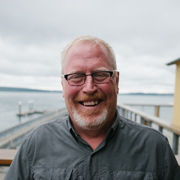 Chris Clum
Founder/Executive Director, Experience Mission
Chris Clum is the founder of Experience Mission, drawing on more than four decades of experience developing service-learning mission trips and working with local ministry partners. This article reflects Experience Mission's organizational approach to service-learning mission trips and was reviewed by the Experience Mission leadership team.
Chris Clum
Founder/Executive Director, Experience Mission
Chris Clum is the founder of Experience Mission, drawing on more than four decades of experience developing service-learning mission trips and working with local ministry partners. This article reflects Experience Mission's organizational approach to service-learning mission trips and was reviewed by the Experience Mission leadership team.
Understanding the Longer Process After the Emergency
Disaster recovery is the work that begins after the immediate crisis has passed. It includes the visible work of cleanup, repair, and rebuilding, but it also includes helping families find stable housing, navigate available assistance, restore daily routines, and regain financial stability. Schools, churches, businesses, nonprofits, and other community services may also need time to recover. Depending on the disaster, this process can last months or years.
Recovery works best when local people and organizations help set the priorities. They know the community, fostering a sense of ownership and pride in rebuilding the community.
Why Does Disaster Recovery Take Time?
A disaster does not end when the storm passes, the fire is contained, or the shelters close. The first days are usually focused on immediate needs: keeping people safe, providing food and shelter, restoring access, and understanding the damage.
Recovery comes next, and people move through it at different speeds. One family may be repairing a home while another is still working through insurance, finding temporary housing, replacing documents, applying for assistance, or trying to find a contractor.
While rebuilding homes and clearing debris matters, recovery is about more than repairing what is visible. Families may still be struggling in other ways. Often disasters bring lost income or loss of necessary transportation. School and work schedules can get upended. Not to mention issues people struggle with in the midst of disasters, like ongoing health concerns, financial pressure, or emotional and spiritual needs.
A community is recovering when people can return to safe, stable lives and the relationships, services, and support systems they depend on are working again, encouraging patience and resilience.
Who Leads Disaster Recovery?
Recovery involves many people: survivors, neighbors, local governments, businesses, churches, nonprofits, relief organizations, government agencies, donors, and volunteers.
Outside organizations can bring important resources, volunteers, and experience. But they should not decide what a community needs from a distance. The people who live there understand their community, its relationships, its strengths, and the challenges that may not be obvious to outsiders.
The best role for outside organizations is often to listen first, work alongside local leaders, and help strengthen the recovery efforts already taking shape within the community.
In many communities, Long-Term Recovery Groups (LTRGs) bring churches, nonprofits, government agencies, businesses, and other local organizations together around needs that remain after the initial response. No two groups look exactly alike because every community has different leadership, relationships, resources, and needs.
Local leadership is so important. Outside organizations, churches, and schools may provide volunteers, funding, skilled labor, or other resources. Still, those resources are most useful when they support the ongoing priorities identified within the community, building trust and confidence in recovery efforts.
What Does Disaster Recovery Include?
Depending on the disaster and community, recovery may include:
- Debris removal - cleanup, muck-outs, and demolition of storm-damaged materials.
- Home repair - repairing roofs, walls, flooring, utilities, and other damaged parts of a home.
- Rebuilding - reconstructing homes or community facilities that cannot be repaired.
- Housing support - temporary and permanent housing assistance.
- Case management - help navigating available assistance and resources.
- Community restoration - support for businesses, schools, churches, transportation, and other community services.
- Emotional and spiritual care - support for the emotional and spiritual needs that follow a disaster.
- Ongoing support - practical and relational help for households with unmet needs.
- Mitigation - work to reduce future risk and build long-term resilience.
No single organization can meet every need. Good coordination helps connect the right people and resources with ongoing needs identified by families, local leaders, and recovery partners, with everyone working together toward a common goal.
When Do Volunteers Fit Into Disaster Recovery?
The right role for volunteers changes as recovery changes. What is useful depends on safety, access, local requests, supervision, lodging, tools, and whether the community is ready for outside help.
Arriving quickly is not always the same as helping well. Volunteers should work through established organizations and local partners, assess community safety and readiness, and wait until needs have been evaluated and safe, useful work is prepared.
So, what can volunteer teams do while they wait? Consider these steps:
- Identify volunteers - find interested, skilled people in your community who want to serve.
- Raise funds - gather funds that can be used in the community or during your eventual trip.
- Connect with partners - reach out to your partner organization to understand their process.
- Stay informed - watch for updates as local partners determine what help is actually needed.
In the wake of many natural disasters, some of the best volunteer opportunities come later, when cleanup, repair, rebuilding, and other recovery needs remain long after public attention has moved on.
What Is Experience Mission's Approach to Disaster Recovery?
Experience Mission (EM) enters disaster-affected communities as a supporting partner. We do not arrive assuming the community is waiting for us to solve its problems. Local leaders, churches, neighbors, nonprofits, emergency managers, and others are already responding and making decisions. They also know things about their community that visiting volunteers simply cannot know.
At EM, we believe our first job in disaster response is to listen and learn about local culture and community dynamics. Connecting with local partners helps volunteers understand how they can be genuinely useful and respectful of community context, fostering trust and effective support.
This approach to disaster relief and recovery weaves seamlessly into EM's Healthy Service Principles. We want every volunteer to enter communities with the posture of a guest, caring for people more than completed projects, and working hard to dig deep and truly understand each person's individual story. We seek to respect the dignity, knowledge, and ability of local people to shape the response for their own communities, and we come ready to listen, learn, and serve.
We also look closely at places where a disaster has made existing challenges harder. Some communities have fewer contractors, less insurance coverage, limited infrastructure, fewer service providers, or less access to outside recovery resources. Those realities do not define a community or diminish its strengths. They help us see where long-term relationships, volunteer teams, skilled trades, and financial resources may be especially useful when local leaders identify a gap.
What Has EM Learned From Long-Term Recovery Work?
Years of working with volunteer teams in disaster-affected communities have taught EM that showing up is not enough. Volunteers are most useful when there are trusted local relationships, a clear understanding of the need, good coordination, and work that matches what volunteers can safely do. We have also learned that some of the most important opportunities to help come after the emergency phase, when attention and outside resources have begun to move elsewhere.
We know from experience responding to many hurricanes, floods, and tornadoes that every disaster is different and every community has its own specific needs. This experience has led to asking more and better questions: What is actually needed here? Who is already leading locally to help? Are volunteers the right resource? If teams come, is there safe work, supervision, lodging, and enough local capacity to support them? Sometimes the best decision is to mobilize volunteers as soon as possible. Sometimes it is better to wait or support the community differently.
What Does Successful Recovery Look Like?
There is no single finish line for recovery. Different families and different parts of a community may reach stability at different times.
A repaired house can be a major milestone, but it does not always mean recovery is finished. Families may still be rebuilding routines, finances, relationships, access to services, or a sense of stability in daily life. Other integral parts of daily life, like schools, churches, and local businesses, may also still be recovering. Some of the work of restoring these parts of the community may continue well after the physical rebuilding is complete.
At EM, we do not believe it is the work of volunteers to restore a community on their own. Everyone who comes to serve becomes one small part of a much larger recovery effort led by the local community. Contributions from outside volunteers matter most when they fill a real gap, strengthen work already happening in the community, and care deeply for the real people whose homes and communities are being rebuilt.
Frequently Asked Questions
How long does disaster recovery take?
Full recovery is a moving target. Each community and disaster presents its own challenges. Some needs can be resolved within a few weeks, while others, like rebuilding homes and infrastructure, getting families back on their feet emotionally and financially, and full community recovery, may continue for months or years after the initial disaster. The scale of damage, available resources, insurance, local capacity, housing supply, and individual household circumstances all affect the timeline.
What is long-term recovery?
Long-term recovery is the work that continues after the immediate response and relief phase. It can include case management, housing, home repair and rebuilding, financial help, emotional and spiritual care, practical support, and restoring daily routines and community life. It may continue even after homes are rebuilt if families or communities are still dealing with the effects of the disaster.
Who decides what disaster volunteers do?
It is best not to decide this for yourself. The most beneficial volunteer work responds to verified, locally identified needs. The best opportunities are coordinated through local leaders and established recovery organizations, rather than created by volunteers who arrive after seeing or hearing about the disaster in the news.
Is rebuilding the same as disaster recovery?
No. Rebuilding is an important part of recovery, but it is not the whole story. A home can be repaired while a family is still dealing with finances, transportation, work, health, school, emotional stress, or other changes to daily life. Recovery continues as people and communities work toward stability in the areas the disaster disrupted.
Can volunteers still help after the news coverage ends?
Yes. News coverage of disasters is sadly insufficient just months or even weeks after a disaster. In many disasters, organized volunteer needs continue for years beyond the emergency period, particularly during cleanup, repair, rebuilding, and long-term recovery.
How is disaster recovery different from disaster relief?
Relief generally focuses on immediate needs and stabilization after a disaster. Recovery is the broader, longer process of restoring housing, services, livelihoods, community systems, and stability. Rebuilding is one part of that recovery process.
Learn More About Disaster Relief & Recovery
Explore Experience Mission's Disaster Relief & Recovery program and the Disaster Relief & Recovery Network to learn how individuals, churches, groups, partners, and supporters can stay informed and participate when locally identified needs are ready for outside support.
About the Author
Further Reading



Site developed and hosted by Skycog, Inc.