How to Choose a Mission Trip Location
Updated: January 2026
 D.J. Morgan
Creative and Marketing Director, Experience Mission
D.J. Morgan serves as Experience Mission's Creative & Marketing Director, helping connect volunteers to opportunities to serve and grow together on mission trips.
D.J. Morgan
Creative and Marketing Director, Experience Mission
D.J. Morgan serves as Experience Mission's Creative & Marketing Director, helping connect volunteers to opportunities to serve and grow together on mission trips.
This guide walks through how to choose the right mission trip location for your group, whether that means returning to a familiar community, rotating between different opportunities, or exploring somewhere new. Jump to the sections most relevant to you: the best way to choose a location, why location matters, how group leaders usually decide, the types of communities available, and frequently asked questions.
If you’re in the process of planning a mission trip, you know that the first thing you need to do establish why you are going on a mission trip. We also believe how you serve is just as important—making sure you’re going in prepared to serve others in a way that builds everyone up. The next step is figuring out where you would like to go.
What's the Best Way to Choose a Mission Trip Location?
The best mission trip is the one that matches your group's readiness, availability, and budget, not a single correct choice. Some groups return to one community year after year to build deep relationships; others rotate between domestic and international trips, or explore a new community each season. What matters most is choosing a mission trip opportunity where your team can serve alongside local partners in a way that fits where your group is right now.
Why Does Your Trip Location Matter?
Where your group serves shapes more than logistics. The right community for your group is one where you can serve alongside local partners in a mutual partnership, not just complete a project before heading back home. Where you serve affects how deeply your team can build relationships, how much you can learn from the people and history of a place, and how much room there is for real reflection and growth. A well-matched location supports service-learning: the kind of trip where team members grow in humility and understanding, not just attempt to complete a task.
How Do Groups and Churches Typically Decide Where to Go?
Every youth pastor and group leader finds a different rhythm when it comes to mission trips. Most plan at least one trip a year, and tend to fall into one of three common patterns.
1. Returning to One Consistent Location
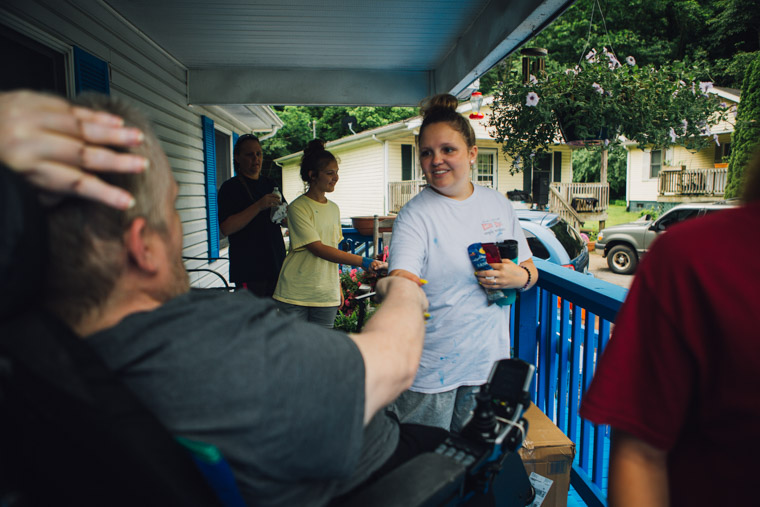
Returning to the same community year after year lets your group build a lasting relationship with a local partner instead of starting over each trip. Team members look forward to a place that feels familiar but still challenges them in new ways. This kind of long-term, mutual partnership is often what local partners hope for most from a visiting team.
2. Rotating Between Domestic and International Trips
Domestic trips are typically more affordable than international ones, which require flights and additional planning. Many leaders choose a rotation, some years staying closer to home and other years planning further ahead for an international trip. This approach balances cost with the chance to stretch your group's experience and broaden their worldview over time.
3. Exploring a New Community Each Year
There is real value in exposing team members to life outside their normal routine. Choosing a different community each year gives your group the chance to see more of the world and learn from a wider range of local partners and ministries.
A new location can bring fresh excitement, though it also means more logistical planning. Working with an organization that has partnerships across a variety of places, like Experience Mission, keeps that planning manageable from year to year. Explore all mission trip communities to compare current options.

What Types of Mission Trip Communities Can You Choose From?
Beyond deciding how often to serve, and whether to rotate where they go, most groups also choose between a few broad community types. Each comes with a different rhythm, focus, and level of readiness required.
Domestic Rural Communities
Rural communities are often a good first mission trip because they combine hands-on work projects with easygoing, relational ministry. Team members see the tangible results of their effort while also connecting with people on a personal level. For middle school and high school groups especially, the often lack of cell service and modest living conditions can create space to unplug and connect more deeply as a team.
Current rural mission trip communities with EM include places like Newport, Tennessee and Marion, North Carolina. Explore rural mission trip opportunities to see what fits best for your group.
Domestic Urban Communities
If your group comes from a small town, an urban setting can be a meaningful way to stretch your group's perspective. Urban communities are often more relationally focused, giving team members the chance to connect with people from different walks of life while encountering new social realities firsthand. Current EM urban mission trip communities include New York City, Chicago, and Savannah, Georgia. Explore urban mission trip opportunities to learn more.
International Communities
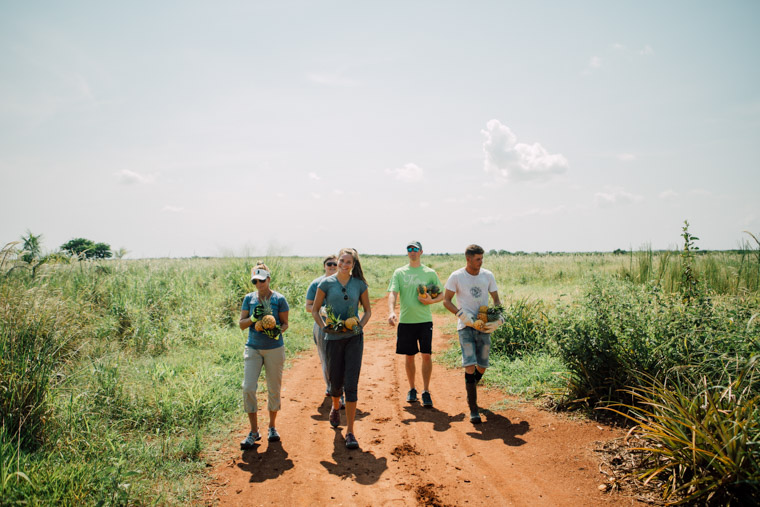
Going abroad with your group is a bigger step, but one that can be well worth the extra logistics. Before choosing an international trip, consider your team's experience and maturity: are they ready for new food, or a language barrier, or going without reliable cell service, or a more flexible schedule? Groups that have already served locally or domestically are often best positioned for an international trip.
Current EM international mission trip communities include Jamaica, Belize, Costa Rica, Cuba, and more. Explore international mission trip opportunities to find the right fit.
Disaster Relief and Recovery Trips
Families affected by natural disasters often have their lives upended in an instant, whether the disaster happens in the U.S. or internationally. These trips tend to be construction-focused and physically demanding, but the most meaningful part is getting to know the families you serve alongside. Learn more about Disaster Relief and Recovery to see current opportunities to join in EM's efforts.
What is Experience Mission's Approach to Mission Trips?
Experience Mission builds service-learning mission trips rooted in healthy, ethical, community-led partnership. Every community EM works alongside is led by local partners who set the priorities. That means your group enters as guests and learners first, serving alongside people who know their community best. Reflection is built into every trip, so team members leave not just having completed a project, but having grown in faith, humility, and understanding of the world beyond their own. Whether your group returns to one community for years or explores a new one, EM's Mission Trip support team can help match your group with a mission trip opportunity suited to its readiness, size, and goals.
Frequently Asked Questions
Should our group return to the same community every year, or rotate locations?
There is no single right answer. Groups that return to one community build deeper, longer-term relationships with local partners, while groups that rotate give team members broader exposure to different types of communities and needs. Consider your goals for your team, overall budget, and how much continuity matters to your students or team members year-to-year.
Is a domestic or international trip better for a first mission trip?
Domestic trips, especially rural ones, are often a gentler starting point because they are more affordable and involve less travel logistics while still offering meaningful, hands-on service. International trips ask more of a group in terms of cost, planning, and adaptability, so many leaders build up to one after their team has served domestically first.
How do we know if our team is ready for an international mission trip?
Consider whether your team members have already served locally or domestically, and how comfortable they are with a language barrier, new food, limited cell service, and a flexible schedule. Groups with some service experience and a level of maturity around discomfort tend to adjust well to international mission trips.
What if we want to try a new type of community without starting completely over?
Working with an established mission trip organization can make exploring a new community much easier. Experience Mission's Mission Trip Support team can help your group compare rural, urban, international, and disaster relief opportunities and choose one that fits where your team is right now.
What's the next step?
Mission trips are an opportunity to practice putting others before yourself, wherever your group ends up serving. As you discern which trip type and community is the right fit, Experience Mission's Mission Trip Support team is ready to help. Explore all mission trip communities and submit an interest form for any trip to have a team member walk you through the process. Need more specific guidance? Check out EM's specific community guides for middle school mission trips and high school mission trips.
About the Author
Further Reading




Site developed and hosted by Skycog, Inc.