Navajo Nation Flooding Update: Where Help Is Needed and What Families Need (Oct. 26, 2026)
Updated: October 2026
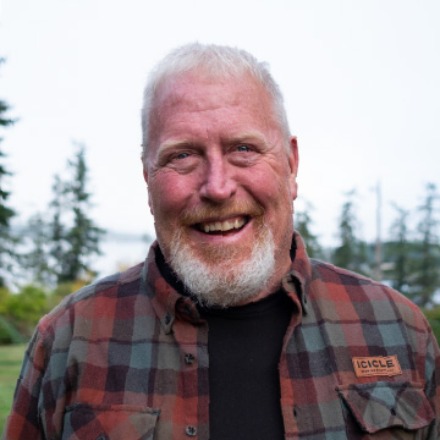 Chris Clum
Founder/Executive Director, Experience Mission
Chris Clum is the founder of Experience Mission, drawing on more than four decades of experience developing service-learning mission trips and working with local ministry partners.
What is happening in the Navajo Nation flooding?
Flooding across the Navajo Nation in September and October 2026 has damaged homes, closed roads, interrupted power and water service, and displaced families in northeastern Arizona, northwestern New Mexico, and southeastern Utah. Families need food, safe drinking water, temporary shelter, and warm clothing now, and they face months of cleanup, repair, and rebuilding ahead. This update reflects information available October 28, 2026.
Experience Mission (EM) has worked alongside Navajo pastors and community leaders since 2003, and those relationships guide how EM responds. For EM's current plans, volunteer interest list, and ways to help, see the up-to-date Navajo Flood Relief and Recovery page.
What has happened so far?
Severe storms and flooding affected the Navajo Nation throughout September and October, followed by another damaging round of rain during the week of October 19. The Navajo Nation declared a state of emergency on September 18. Floodwater entered homes and made roads impassable, and some homes spared from direct flooding stayed isolated because damaged roads blocked access to supplies and assistance.
As of October 27, deep mud was still slowing efforts to restore electricity and water service in several communities. The flooding has also raised serious health concerns. Damage to wastewater infrastructure released sewage into the San Juan River, so families and responders face contamination and unsafe conditions even after the water recedes.
Where are the needs?
Flooding has reached communities across several regions, and each one faces its own challenges and priorities.
Northeastern Arizona
In Dennehotso, floodwater entered homes, forced evacuations, and washed out roads. Local volunteers stepped in to help residents leave flooded areas and to distribute supplies. Emergency food assistance has also reached Kayenta, Rock Point, and Chinle, which shows how widely the need extends.
Northwestern New Mexico
Shiprock and surrounding Northern Agency communities faced flooding along the San Juan River, which forced people from their homes and damaged local infrastructure. Officials have coordinated shelter, emergency resources, and damage assessments.
Southeastern Utah
Aneth, Montezuma Creek, and Bluff saw flooding and evacuations along the San Juan River. Bluff's evacuation notice has since been lifted, but communities across the area still face a long recovery, including concerns about damaged wastewater facilities.
Conditions continue to change, and assessments are still identifying the full extent of the damage.
What do families need right now?
Families need food, safe drinking water, temporary shelter, blankets, warm clothing, and basic household supplies. Navajo Nation agencies, churches, and community organizations are already responding. On October 23, the Navajo Division for Children and Family Services reported preparing approximately 200 emergency food bags for affected chapters, followed by more deliveries to families in the Hardrock area.
Recovery will also mean cleaning and repairing homes and replacing belongings lost to the flooding. In the Chinle area, relief teams have already worked on waterlogged drywall, mold, damaged roofs, and ruined household furnishings. For many families, the work of making home feel safe and comfortable again will continue long after the immediate emergency passes.
How does recovery work, and where do volunteers fit?
Communities lead recovery, and needs change as recovery moves through phases. Volunteers support safe, coordinated work that local leaders have identified, and local priorities, safe access, and the support a team needs will shape every opportunity.
As communities move from emergency response toward recovery, volunteers with a wide range of abilities may be able to help:
- Team members without construction experience - May sort donations, pack food boxes, organize supplies, coordinate distribution, prepare meals, support local churches, and help families move damaged belongings
- Skilled volunteers - May assist with roofing, carpentry, drywall, and flooring, while qualified tradespeople may be needed for electrical, plumbing, and structural work
- Experienced construction leaders - May assess projects, prepare material lists, and guide volunteer teams
Flood cleanup can involve contamination, mold, and structural hazards, so every assignment will require careful preparation, protective equipment, and trained supervision. EM is exploring volunteer opportunities as soon as December 2026, and dates and locations are not yet confirmed.
How can you help now?
You can take these steps today, and each one is available on the Navajo Flood Relief and Recovery page, where EM keeps its current plans:
- Pray - Pray for affected families, Navajo pastors, community leaders, and emergency responders
- Join the interest list - Hear from EM as locally confirmed opportunities take shape
- Ask before sending supplies - Contact EM before you collect, buy, or ship anything, so gifts match what communities have requested
- Support the Black Mesa food warehouse - EM had already begun raising funds for a food distribution warehouse in Black Mesa, Arizona, which will help the community receive, organize, and distribute food in emergencies and in ordinary weeks
Each step supports priorities set by Navajo leaders and responders, which is where EM follows.
Navajo Flood Relief FAQs
Can I volunteer in the Navajo Nation flood recovery right now?
Not yet through EM. EM is exploring volunteer opportunities as soon as December 2026, but dates, locations, and costs are not confirmed. Joining the interest list does not reserve a place. EM will share details before registration, and local leaders and safe access will shape any opportunity.
Should I collect or send supplies?
Please contact EM before you collect, buy, or ship anything. Navajo Nation agencies, churches, and community organizations are naming specific needs, and a quick conversation helps your gift match what communities have asked for.
Why does flood cleanup need trained supervision?
Flooded homes can hold contaminated water, mold, and unstable structures. Safe cleanup depends on protective equipment, training, and supervision, and some work, including electrical, plumbing, and structural repair, belongs to trained tradespeople.
How does EM decide where and how to serve?
EM follows the priorities of the Navajo pastors and community leaders it has worked alongside since 2003. Roles, locations, and timelines depend on community needs, safe access, and the support a team needs to serve responsibly. EM's approach to missions explains this posture in full.
Stay connected to Navajo flood recovery
Join EM's volunteer interest list on the Navajo Flood Relief and Recovery page to hear when locally confirmed opportunities open, share your skills, and find other ways to support recovery.
Sources
Reporting reflects information available October 28, 2026. Volunteer roles are potential opportunities, subject to local confirmation.
- Navajo Nation emergency declaration
- KNAU: utility restoration and affected communities, October 27
- Navajo Division for Children and Family Services: emergency food response
- Navajo Times: Dennehotso flooding and local response
- Tri-City Record: Northern Agency flooding
- San Juan Record: Utah flooding and wastewater concerns
- Associated Press: San Juan River wastewater damage
- Arizona DAV: requested relief supplies
- Samaritan's Purse: Chinle recovery work
- National VOAD: flood cleanup practices
About the Author
Further Reading



Site developed and hosted by Skycog, Inc.