5 Things to Know Before Going on a Mission Trip
Updated: September 2026
 Chris Clum
Founder/Executive Director, Experience Mission
Chris Clum is the founder of Experience Mission, drawing on more than four decades of experience developing service-learning mission trips and working with local ministry partners.
Chris Clum
Founder/Executive Director, Experience Mission
Chris Clum is the founder of Experience Mission, drawing on more than four decades of experience developing service-learning mission trips and working with local ministry partners.
What should you know before going on a mission trip?
Before a mission trip, know that your posture matters more than your plans. Expect differences, and treat them as chances to learn rather than things to judge. Put people ahead of projects. Remember that God is already at work in the community before you arrive. And enter as a guest in someone else's home, ready to listen, serve alongside local leaders, and be changed yourself.
Short-term mission trips invite groups and individuals into faith-based service and learning, whether across the country or around the world. These trips hold real potential for good, and they also carry pitfalls that are easy to fall into once you arrive.
The most important preparation is not your schedule or your project plan. It is how you show up. Here are 5 things Experience Mission (EM) believes every team member should know before a mission trip, so the experience is healthy for you and for the community that welcomes you.
1. Your posture matters.
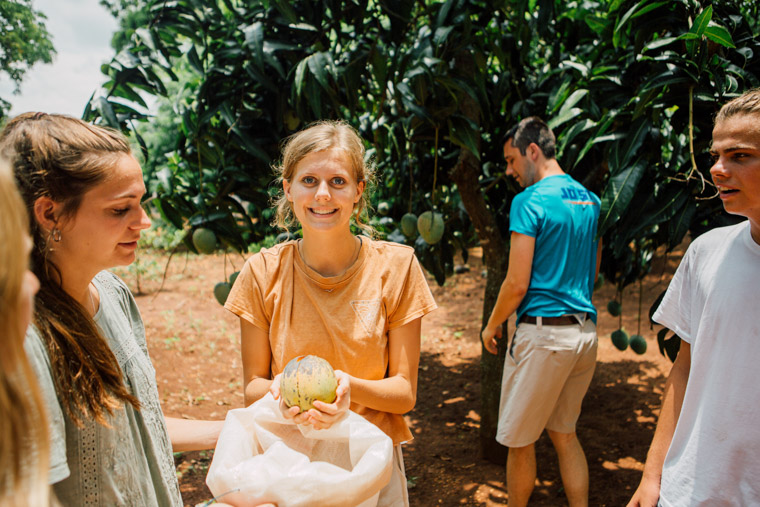
The attitude you bring into a community shapes every relationship you build there. Almost every time you enter a community to serve, you or your team carries "weather" - an unspoken agenda and way of being that differs from the community's. It might show up in your sense of when and how things should happen, or in the confidence you bring to conversations about things that are new to you.
If you arrive with a rigid schedule that leads you to judge, correct, or direct others, you may get some things done. But you pay for it with the relationships you hoped to build. You end up talking instead of listening, instructing instead of learning, and taking control instead of lifting others up.
So how can you approach your mission trip differently? We suggest three practices:
- Love and accept everyone first - this builds trust and gives a relationship room to grow
- Listen and learn before you speak - this honors people with firsthand knowledge of their own community and tells them they are more than a need to be met
- Serve and partner as a humble outsider - you are entering someone else's space, not your own (more on this in #5)
Each of these practices moves the focus off your agenda and onto the people you came to serve alongside.
2. How you approach what is "different" makes a difference.
When you meet something unfamiliar on a mission trip, pause before you judge it. Whenever we run into something different from what we know, we tend to pull back and pass judgment.
Imagine your plane lands in Jamaica. You get a ride to where you will stay, and on your first walk you look left for oncoming cars before stepping into the street. A horn blares as a car nearly clips you - from the right.
Your first reaction is fear, and maybe a few sharp words about the driver. But was it the driver's fault, or did you look the wrong way? In Jamaica, a former British colony, people drive on the left side of the road. It is not the wrong side of the road. It is just the other side.
Moments like this happen in countless ways when you enter a different culture, whether on the other side of the world or in the next town over. "Different" does not mean "bad" or "wrong." When we hold our judgment and treat these moments as chances to learn, we narrow the gap between our small corner of the world and somewhere new.
3. People are more important than projects.
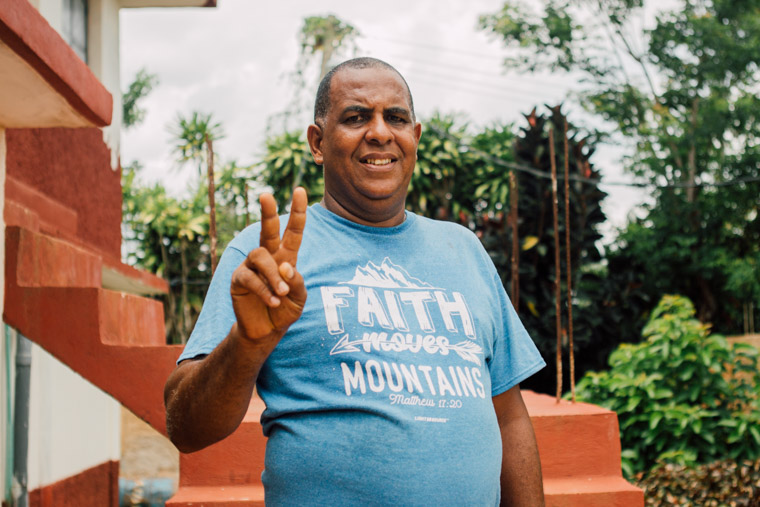
The work you do on a mission trip matters, but the people you meet matter more. People matter to God. We were all created in His image as co-laborers to cultivate and create in this world.
Every person you meet carries innate dignity and worth, whatever their circumstances. That means the heart of mission work is reminding people that they matter, to God and to us, in big and small ways.
If your project is to paint a widow's house, it matters far more that you look her in the eyes and hear her story than that the last wall gets its final coat. What we do for someone should always take a back seat to seeing and treating each person as an equal.
4. God is already at work before you arrive.
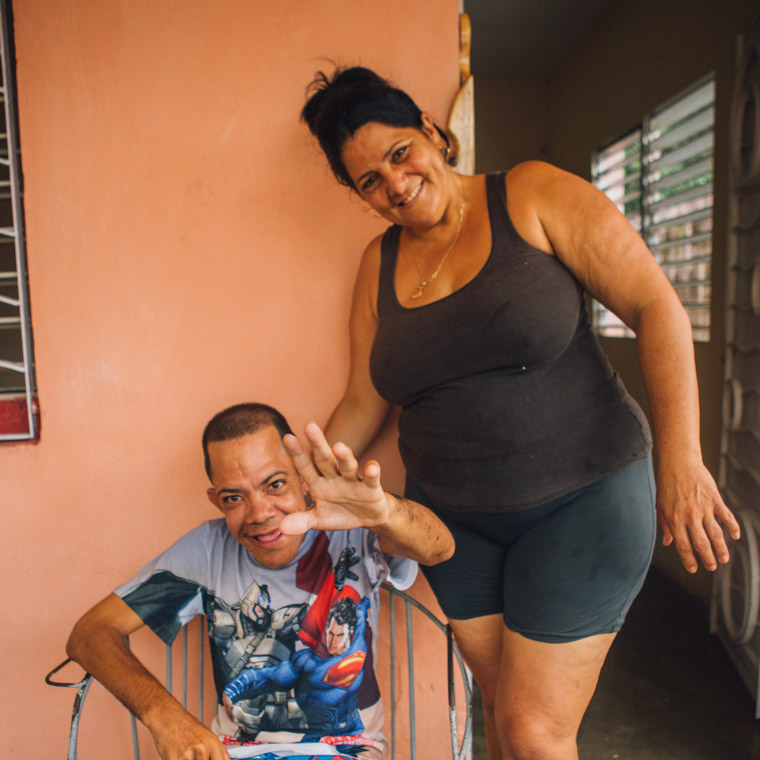
You do not bring God to a community on a mission trip; you join what He is already doing there. One common criticism of short-term missions is that visitors can cast themselves as the heroes of the story. It is tempting to look at one week of service and declare a community changed forever.
That view puts the focus on us instead of on God. You can rest assured that God was present long before you arrived, and His love for every person reaches far beyond yours.
We get a small part to play, and it comes down to one of Jesus' greatest commandments: "Love your neighbor as yourself." We contribute best on a mission trip when we live out this commandment in every word and action.
We can also rest in knowing that God has not asked us to be the answer to a community's story. He has asked us to love everyone who crosses our path as we would want to be loved, seen, dignified, and valued.

5. You are a guest in someone else's home.
On a mission trip, you enter a community as a guest, and good guests listen first. One unfortunate side effect of the name "mission trip" is that it implies an agenda - something we come to do to make life better for someone else, whatever the cost.
At EM, we hope these trips can be seen more as short-term learning experiences. That shift puts the emphasis where it belongs: on our role as learners who humbly enter a community, build people up, and serve where it helps. Too often, visitors arrive ready to talk before they have listened to the people who welcome them, yet we are the guests in their home.
As you get ready to serve, picture hosting someone in your own home. How would you want them to act? What behavior would feel respectful, and what conversations would help you feel at ease and valued?
Few of us would welcome a guest who arrived with a rigid agenda and pursued it without regard for our wishes or our humanity. Carry that picture with you, and approach your next mission trip with humility and respect for the home you have been welcomed into.
How can you prepare for your mission trip?
Preparing well means shaping your posture while also handling the practical details before you leave. The resources below help with both.
Watch EM's healthy service videos
EM's approach to missions page includes a short video for each of EM's Healthy Service Principles: deeper dives on the ideas above. Watching these together as a team gives everyone a shared language for how you want to serve.
Take care of the practical details
A few practical steps free you to focus on people once you arrive:
- Prepare as a team - read how to prepare your team's hearts for a mission trip
- Plan the logistics - use EM's guide to planning a mission trip
- Review the Health & Safety Plan - see how EM field staff and team leaders keep teams safe
- Start fundraising early - download the Mission Trip Fundraising Guide
With the details settled, you can give your full attention to the people and community you are about to meet.
What is EM's approach to a mission trip?
EM's approach to mission trips centers on how people serve, not simply on what they accomplish. EM's 7 Healthy Service Principles guide every trip, from releasing the desire to make the experience about ourselves to recognizing and honoring the image of God in everyone we meet. Together, they help participants love their neighbors authentically while staying open to what God is already doing.
Frequently Asked Questions
Is it normal to feel nervous before a first mission trip?
Definitely! Feeling nervous before a first mission trip is common, especially when you are heading somewhere unfamiliar. Nerves often come from a place of wanting to do something well. Let that desire turn into curiosity: arrive ready to listen, ask questions, and learn from the people who live there.
What if I do not speak the local language?
You can still build real relationships without speaking the local language. Presence, patience, and a willingness to learn communicate respect in any culture. Learning a few greetings before you go shows the people you meet that you value their language and their home.
Who can go on an EM mission trip?
EM group mission trips are open to teams of 6 or more people, ranging from middle school students up to adults of all ages. Every group team needs at least one adult leader age 21 or older, and an adequate ratio of adult leaders to youth when present. Young adults age 18-30 can also join IMMERSION, EM's 1-9 month cross-cultural missions programs and Gap Year opportunities.
How can I make sure my short-term mission trip isn't harmful?
Short-term mission trips cause harm when they center on the visitors instead of the community. EM believes mission trips are healthy and mutually beneficial when team members serve alongside local partners, put people ahead of their desire to complete projects, and enter communities as guests and learners.
Ready to put these five things into practice? Explore group mission trips and find a community that fits your team's dates, size, and learning goals, or discover IMMERSION if you are a young adult ready to slow down and live in community for 1-9 months.
About the Author
Further Reading



Site developed and hosted by Skycog, Inc.