 9-Month Missions & Discipleship Gap Year


What you do matters. How you do it matters so much more.
Join Experience Mission (EM) for the 9-month Missions & Discipleship Gap Year, a Christian gap year and service-learning program for young adults ages 18 to 20. From Sept. 16, 2027 to June 29, 2028, a team of 7 to 12 young adults will live and serve together in 4 communities: South Texas along the U.S.-Mexico border, the Dine (Navajo) Nation in Arizona, Uganda, and Costa Rica. The program costs $19,950 per person, which includes all international flights and visas.
MOREUpcoming Trips

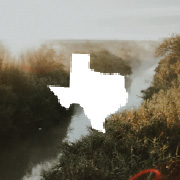
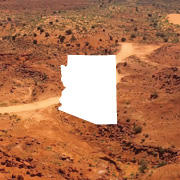
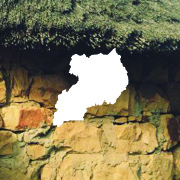
 South Texas (3 weeks), Diné/Navajo Nation (6 Weeks), Uganda (3 months), Costa Rica (3 months)
 $19,950 (USD)
 Ages 18-20
upcoming program is the right fit for you!
Trip Details

Communities

Weekdays center on farming and local construction, from repairing homes to helping build a school or church for a nearby pastor. You work alongside longtime partners Victor and Sara Mayorga-Molina, who have served this community for over 20 years and choose projects that help others who are already giving back. Afternoons and evenings focus on life with your host family, joining their daily rhythm and learning what it means to be Bribri, including attending church two or three times a week, depending on your host family. You also connect with the wider community through soccer and volleyball games, kids clubs, and shared meals. A slower pace of life stretches you to put others' needs above your own plans.
What to Expect
What will a typical day look like?
Daily rhythms follow a similar pattern, adjusted to each community:
- Mornings - Prayer, devotion, and time in Scripture together, then community living: breakfast, cooking, and cleaning as a team
- Afternoons - Monday through Friday, serving with local ministries and building relationships with community members
- Evenings - Making and sharing dinner, then outings in the community, discussions about books and films, and time to debrief
Schedules and projects change by community and season, so flexibility matters.
What does the program include?
The Gap Year runs from Sept. 16, 2027 to June 29, 2028. Your team of 7 to 12 young adults stays together across all four legs, with your team leader. The year follows this order:
- South Texas - 3 to 4 weeks, beginning Sept. 16, 2027, with initial training on the ground in the community
- Dine-Navajo Nation - The rest of the U.S. portion, about 5 to 6 weeks, spending time in Black Mesa, Arizona, and Farmington, New Mexico; the team drives here together from South Texas and finishes the first leg on Nov. 19
- Holiday break - Nov. 20, 2027 to Jan. 9, 2028 (about 7 weeks); team members travel home from New Mexico and meet again en route to Uganda
- Uganda - About 3 months; the team begins their second leg at IMMERSION training in Washington state on Jan. 10, 2028, before departing the U.S. for Uganda. They depart Uganda for Costa Rica on Mar. 30, 2028
- Costa Rica - About 3 months, from Mar. 30 to June 26, 2028, beginning with a 2-week intensive Spanish language program in San Jose
- Debrief - Team debrief back in the U.S. closes the program, ending on June 29, 2028
What will I grow in?
Past IMMERSION Gap Year teams describe three areas of growth:
- Faith and belief - Asking what it means to live out your faith in Jesus, take ownership of your beliefs, and see God more clearly in creation, yourself, and the people around you
- Christ-centered community - Learning to work through conflict, set healthy boundaries, and make friendships that go deeper than the surface
- Resilience and joy - Meeting people from many backgrounds, wrestling with questions of fairness and injustice, and learning to understand people from all sides of a conversation
Over nine months together, these grow through daily practice more than through any single lesson or experience. Come ready to give your daily rhythms to loving and serving others, and see how it changes you.
What is IMMERSION?
What is IMMERSION?
IMMERSION is EM's service-learning missions program for young adults, with teams serving alongside community partners for 1 to 9 months. Team members step outside the normal rhythm of their lives to gain a broader picture of the world around them, the way God works in that world, and the value of relationships and quality service alongside people whose lives are just as valuable as their own.
What does "how we do it" mean?
IMMERSION focuses on how we do international ministry and service, not only on what we do. Our central focus is authentic relationships as the keystone of healthy ministry, and what it means to love our neighbor. Teams split their time about equally among service, cultural immersion in the community, and relationship building with community partners and host families. That leaves space to give your time and attention to others, because people matter more than the projects we hope to complete. Explore EM's approach to missions.
How is the Missions & Discipleship Gap Year different from other Gap Year programs?
This is EM's Gap Year for ages 18 to 20, and the only IMMERSION Gap Year where the team stays together through all four legs and includes communities in the United States. EM's other Christian gap year programs serve in southern Africa and Latin America and have their own age ranges. See what a Christian gap year is or how to choose a Christian gap year program.
Ministry Partners
Who will I serve alongside?
Your team serves alongside local partners who were serving their neighbors long before a team arrived and will continue long after it leaves:
- Border Perspective (McAllen, Texas) - A faith-based nonprofit working to de-stigmatize the U.S.-Mexico border, teach local history, and build peace among neighbors
- Pastor JR Wilson Jr., his son Al Wilson, and Tse ee gai - House of Joy Church (Black Mesa, Arizona) - A Dine-Navajo church EM has partnered with since 2009
- Daniel and Ruth Kasozi, Another Hope Children's Ministries (near Entebbe, Uganda) - Founders of a children's home and school
- Victor and Sara Mayorga-Molina (Shiroles, Costa Rica) - Longtime ministry leaders in the Bribri community of the Talamanca region
They know their communities best, so your team follows their lead as they help determine the daily plans.
Housing & Travel
Where will I live in each community?
Housing changes with each leg of the program:
- South Texas - The team will stay at a local church or guest home, depending on team size. Bathrooms are available where the team stays, and showers are either on site or at a nearby facility. The team will need air mattresses and sleeping bags.
- Dine Nation - The team stays in a local church on the Navajo Reservation and sleeps on air mattresses on the floor. There are no showers in the church, so the team uses outdoor shower stalls with limited, solar-heated water, and the only toilets are outhouses. Drinking water is provided in coolers, and electricity is available at the church. Bring bedding, such as a sleeping bag.
- Uganda - The team lives together in the guest house on Another Hope's property in Wakiso District. The house has bunk beds with mosquito nets, bathrooms, and showers. Wifi is available but limited, so plan to contact friends and family on weekends.
- Costa Rica - Team members largely live with local host families, first in San José during the 2-week Spanish language program and then in Shiroles, and share meals with their hosts. In Shiroles, households include at least two team members of the same gender, and weekends are spent at the home of EM's local partners. Expect running water, electricity, and occasional wifi, with frequent daytime water outages in the dry season.
The program cost includes all meals, housing, and in-country transportation. On the Navajo Nation and in South Texas, the team will cook meals together; in Costa Rica, team members will share meals with their host families.
How do team members travel?
EM books all international flights, including flights between legs, and arranges visas for every team member as needed, so you do not apply on your own. Uganda and Costa Rica both ask arriving travelers for proof of yellow fever vaccination, so team members keep that certificate with their passports for both legs. EM plans each route around the current entry rules for every country on it. All international flights and visas are included in the program cost, but travel home for the holiday break and to the Uganda flight departure location are not.
Participant Requirements
Who can apply to the Missions & Discipleship Gap Year?
This program is for young adults ages 18 to 20 who are:
- Interested in faith and service - Curious about how faith in Jesus and serving others connect in tangible ways
- Flexible - Ready to adapt to schedules and projects that change
- Relational - Eager to talk with locals and build relationships
- Physically ready - Able to do physical work such as construction, farm work, and painting
- Teachable - Willing to follow the norms of a different culture and safety guidelines, and to work through conflict well
Youth under 18 do not serve on IMMERSION trips. Every team member also needs to complete an IMMERSION application, a video interview with IMMERSION staff, and a criminal background check. Applications close 5 months before the start of the program, on April 19, 2027.
Do I need to be a particular kind of Christian to go?
No. EM is an interdenominational Christian organization, and young adults from all denominations and backgrounds are welcome, including Catholic young adults. No one is asked to sign a particular statement of faith. EM's Statement of Faith is a public statement of what EM believes and what teams are stepping into, and the application and interview invite you to talk about how you hope to grow in your faith.
Submit an interest form to get started!
Cost & Refund Policy
What does the program cost, and what does it cover?
The 9-month Missions & Discipleship Gap Year costs $19,950 per person. The cost covers:
- Travel - International flights, baggage fees, and any necessary visas
- In-community - Housing, transportation, and food
- Program - Training and materials, IMMERSION support staff planning and supporting the program year-round, and the cost of a team leader
- Partners - Donations to the local partners and ministries you serve alongside
The cost does not cover travel to the starting location in South Texas, or travel home and back for the holiday break, travel home from the final U.S. arrival airport, immunizations, meals while you travel, items on the packing list, or the Personal Emergency Fund, a debit or credit card with $1,500 available plus $300 in cash that every team member carries in case of a medical issue or an unexpected trip home.
How do the deposit and fundraising work?
The Gap Year program deposit is due within 30 days of joining the program. It is non-refundable, even if EM cancels, and it becomes non-transferable 60 days after you accept your spot. After you pay your deposit, you receive a personal EM fundraising profile, the IMMERSION Fundraising Guide, and a connection to an EM Fundraising Coach who helps you build a fundraising plan. Donations made through EM are tax-deductible in the United States.
What is the refund policy?
The refund timeline has four steps, and each one makes a larger share of your personal contributions non-refundable:
- June 18, 2027 (90 days before the start date) - 25% non-refundable
- Aug. 2, 2027 (45 days before the start date) - 50% non-refundable
- Oct. 12, 2027 (90 days before the Uganda departure on January 10, 2028) - 75% non-refundable
- Nov. 26, 2027 (45 days before January 10, 2028) - 100% non-refundable
Before June 18, 2027, the deposit is the only non-refundable portion of what you paid. These amounts apply to your personal contributions. Read the full Gap Year refund policy to learn more.
If EM cannot travel to Uganda due to health or safety reasons, EM will move that 3-month leg to a reserve community rather than cancel your Gap Year. Even so, the Gap Year program deposit stays non-refundable if EM cancels a program.
Safety Measures
How does EM approach safety on a Gap Year?
EM treats safety as a priority in every community and makes decisions mid-program, leg by leg, based on current conditions. EM local staff and partners are experienced residents or welcome guests who tell team members the safest ways to move about. Partners, team leaders, and EM U.S. staff stay in regular contact so they can respond quickly to emergencies. Across the program:
- Medical readiness - Team leaders are CPR/First Aid certified and carry trauma medical kits
- Insurance - EM secures travel medical and evacuation insurance for all team members
- Personal Emergency Fund - Every team member carries a debit or credit card with $1,500 available plus $300 in cash for medical costs or an unexpected trip home
- STEP enrollment - During training, team members are encouraged to enroll in the State Department's Smart Traveler Enrollment Program to receive official alerts for the region
- Emergency line - An EM emergency phone line is available to every emergency contact
Outside big cities, larger hospitals can be hours away by vehicle, and EM staff help team members get to care and communicate with home.
What should I know about the U.S. legs?
On the Navajo Nation and in South Texas, local partners brief the team on how to move about safely and what to expect. On Black Mesa, elevations generally sit between 5,000 and 7,000 feet, nights can be cool, and winters can bring snow and ice, so the fall leg calls for warm bedding and layers. There is no running water at the church, and drinking water is provided in coolers.
Is a mission trip to Uganda safe?
No trip is risk-free, and Uganda carries real concerns right now. As of November 4, 2026, the U.S. State Department rates Uganda Level 4, Do Not Travel, for crime, health, terrorism, and unrest. Uganda's own Ebola outbreak ended in August, but a larger one continues in the neighboring Democratic Republic of the Congo (DRC). EM expects guidance to change before this trip launches. The team departs for Uganda on Jan. 10, 2028, and EM will decide by Oct. 2, 2027 whether the leg goes ahead.
What is the Ebola situation near Uganda?
The current outbreak comes from Bundibugyo virus, a type of Ebola virus with no approved vaccine or treatment. The Centers for Disease Control and Prevention (CDC) ranks it as the second-largest Ebola outbreak on record, with 10,563 confirmed cases as of November 1, 2026, and 10,532 of those in the DRC. Imported cases have also reached Kenya and Nigeria.
Uganda's own outbreak is over. It produced 20 confirmed cases and 2 deaths, and the Ministry of Health declared it ended on July 28. The World Health Organization and Africa CDC confirmed the end on August 27, after 42 days with no new case. CDC lists Uganda at Level 2, "practice enhanced precautions" (last reviewed August 28, 2026), and its November 4 update reports no active cases there.
How far is the team's location from the areas still affected?
CDC applies its highest-level warning to the DRC's Ituri and Nord-Kivu provinces. Measured in a straight line from Kampala, Bunia (Ituri) is about 290 km (180 miles) away and Goma (Nord-Kivu) about 440 km (270 miles), and Wakiso District borders Kampala. As of October 28, 2026, the U.S. Embassy in Kampala says Uganda's DRC border crossings remain closed except for humanitarian and cargo traffic.
What travel measures apply for Uganda right now?
At EM's November 4, 2026 check, these measures were in place, and they would apply to the Uganda leg if they stay the same:
- Entry screening - Travelers arriving at Entebbe Airport or a land border complete a Passenger Locator Form and a health screening (U.S. Embassy, October 28, 2026)
- DRC border - Closed to most traffic, with humanitarian and cargo exceptions
- Gatherings - The Ministry of Health has limited mass gatherings in Kampala and in districts bordering the DRC
- Return screening - U.S. citizens who have been in Uganda within the past 21 days must arrive through Dulles, Atlanta, or New York JFK for public health screening (this would not apply to Gap Year team members traveling directly to Costa Rica)
- Health monitoring - CDC asks returning travelers to monitor their health for 21 days
- Flight attestation - Passengers on international flights bound for the United States attest that they have not been in the DRC during the previous 21 days
These rules are likely to change well before the Uganda leg begins. The team travels from Uganda to Costa Rica rather than home to the United States, and EM plans that route around the rules in force, including any connections through the United States.
What does Costa Rica require from travelers coming from Uganda?
Costa Rica requires proof of yellow fever vaccination from travelers arriving from countries on its risk list, and Uganda is on that list as of Costa Rica's May 2025 update. The vaccine must be given at least 10 days before arrival. Team members already need the vaccine for Uganda, so keep your certificate with your passport for both legs. As of November 9, 2026, EM has not found a Costa Rican entry restriction tied to Ebola, and Costa Rica's Ministry of Health said in May 2026 that the risk to the country is low. EM will recheck Costa Rica's rules before the Uganda leg and again before the team travels there.
What if I am not a U.S. citizen?
Entry rules differ for team members who are not U.S. citizens. CDC currently bars non-citizens, green card holders included, from entering the United States if they were in Uganda during the previous 21 days, so EM plans routes from Uganda that avoid U.S. connections. Canada's rules, posted on November 4, 2026, require a health assessment on arrival and 21 days of quarantine, and the exemptions it lists do not name volunteer service. Because the team goes on to Costa Rica after Uganda, these rules matter mostly for routing and for any early trip home. They are likely to change before the Uganda leg, so ask EM staff before you apply.
What else does the Uganda Level 4 advisory cover?
The Level 4 rating also reflects other risks. State's advisory points to violent crime, most common in larger cities and along Uganda's western and northern borders; terrorism that has targeted schools, religious venues, and tourist areas; and protests that can begin with little warning.
How will EM decide whether the Uganda leg goes ahead?
EM will decide by Oct. 2, 2027, 100 days before the Uganda departure on January 10, when the team will already be serving in U.S. communities. That leaves 10 days before Oct. 12, when 75% of your personal contributions become non-refundable. The decision rests on whether the U.S. State Department, the CDC, and our local partners consider travel to Uganda safe enough, and EM tracks all three until then. Level 4 is not an automatic stop, but EM goes ahead only if local partners and staff are confident in the team's safety, and EM staff and local partners complete a safety checklist before the final call.
If health and safety concerns arise for Uganda (a big indication witll be whether or not EM's 1-Month IMMERSION goes forward in May/June), EM will tell participants and parents by June 1, 2027 which reserve community the Gap Year could potentially switch to if needed. That is about 2.5 weeks before June 18, when 25% of your personal contributions become non-refundable. Team members agree to serve in the reserve community if the change happens. EM can make the switch at any point before the team arrives in Uganda, including after the Oct. 2 decision point. If EM cannot travel to Uganda safely, the team moves to the reserve community and stays together. EM always notifies team members directly when plans change.
This section was last checked on November 4, 2026, and EM updates it as often as possible with the date of each check. It reflects each source as of the date shown and may not include newer changes.
Sources: CDC Ebola outbreak situation summary (data as of November 1, 2026); CDC information for returning travelers (October 30, 2026); U.S. Department of State Uganda Travel Advisory (issued June 4, 2026); U.S. Embassy Kampala health alert (October 28, 2026); Government of Canada Ebola border measures (November 4, 2026).
Gap Year FAQ
Do I need mission trip experience?
No. This IMMERSION Gap Year welcomes first-time participants. Your team trains together at the start, and your team leader and local partners guide you in every community. It will stretch you, and your team will be there to support you along the way.
Is there a break during the program?
Yes. The team takes a break for the holidays from Nov. 19, 2027 to Jan. 10, 2028. Team members pay for their own travel home from New Mexico and to Washington state for IMMERSION team training before flying to Uganda.
What happens if the Gap Year team cannot safely go to Uganda?
EM will decide by Oct. 2, 2027. If travel is not safe enough at that time, EM will move the Uganda leg to a reserve community and keep your team together. Because health and safety concerns can arise in Uganda, EM will determine by June 1, 2027 which reserve community the Gap Year would switch to, and get team members' consent to switch to serving there if the change needs to happen. EM reserves the right make the switch at any point before the team arrives in Uganda based on our discretion about team safety on ground. If this happens, EM will notify team members directly, as soon as possible.
Do I need a visa or a passport?
You need a valid passport that does not expire for at least 6 months after the end of your Gap Year travels. EM secures the correct visas for all participants, so you do not apply on your own, and the cost is included in the program fee.
Which vaccines and medicines do I need?
Travelers age 1 and older need proof of yellow fever vaccination to enter Uganda, and Costa Rica also asks for it from travelers arriving from Uganda, given at least 10 days before arrival. Keep your certificate with your passport. CDC also recommends prescription malaria prevention medicine for Uganda. See your doctor or a travel clinic at least a month before departure to the first U.S. community, and check the CDC pages for Uganda and Costa Rica.
How do I raise the money?
Most team members raise some or all of the program cost through support letters, fundraising events, and online giving. Once you join, EM provides a personal Fundraising Coach and an online fundraising profile, and the IMMERSION Fundraising Guide goes into more detail.
Can I join for just part of the program?
Not as a Gap Year. You are welcome to join a shorter 1, 3 or 6-month IMMERSION program in 2027 or 2028, if you match the required age range to participate. Shorter options include 1-month and 3-month IMMERSION programs.

Hear from past
IMMERSION team members!
Hear from past IMMERSION team members!

Eden P. 3-Month Belize IMMERSION
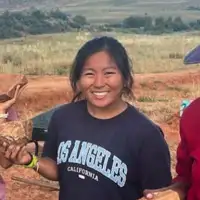
Kailene C. 6-Month Africa IMMERSION

Ian O. Costa Rica / Africa Gap Year IMMERSION
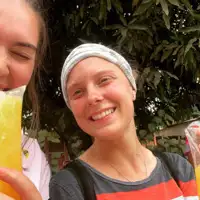
Mary A. 3-Month Costa Rica IMMERSION

Erica H. 3-Month South Africa IMMERSION
Is IMMERSION right for you?
Take our 10-question quiz to find out if you’re ready for an experience like IMMERSION!

Take our 10-question quiz to find out if you’re ready for an experience like IMMERSION!


Site developed and hosted by Skycog, Inc.